Broken In Bone, Not In Spirit

Auden, my elfin three-year-old granddaughter, took a tumble the other day and despite landing on plush carpet fractured her left arm.

“History doesn’t repeat itself, but it often rhymes,” Mark Twain said, and a poem in my family annals now includes these couplets: bed and sled, skating fall and basketball.

My daughter, long before she was Auden’s mommy, fell while roller-skating at slow speed and broke her left arm at age 10; a couple of years thereafter, my son, coincidentally also 10 at the time, broke his left arm playing basketball; and when I was 7, I too broke my left arm.

Four fractures, arms each, all in portside rhyme.

A brief trip down memory lane – rather, a sled ride down The Big Hill in my boyhood neighborhood in Ohio. Having reached the speed of a comet, I skidded off course through an icy turn…

CRASH!!!

…into a two-foot-high stout steel pole.
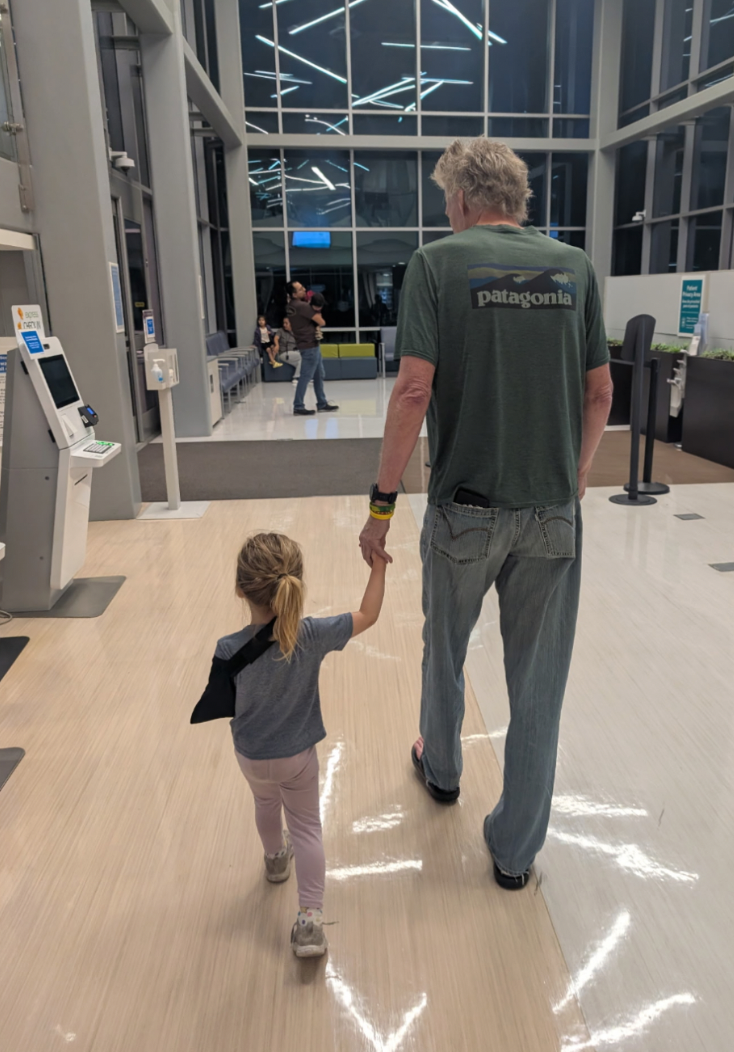
Brave Auden and me…

The pain screaming through my wrist and arm was nearly surpassed by the fear of my dad’s raised-voice scolding when he found out the Flexible Flyer I turned into bent steel and splintered wood – while also splintering my ulna and radius – had been “borrowed” from my friend’s big brother without asking.

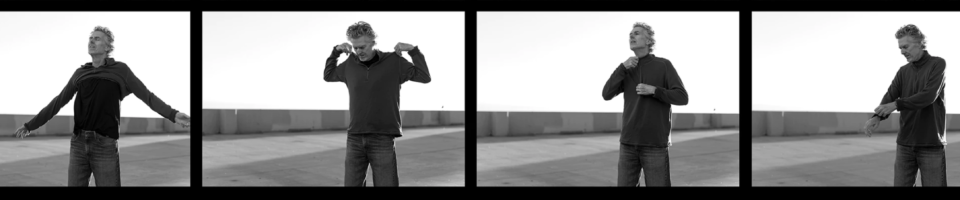
At home, including at the table at dinner, I kept my winter coat on to cloak the swelling. Mom asked me to take it off. I kept it on. Dad insisted. Shedding the sleeve over my injured arm felt like peeling the skin off.

Mom, despite being a housewife not an orthopedist, without aid of an X-ray image instantly made an accurate diagnosis: “Oh, honey, you broke your arm!”

To which, family lore has it, I angrily huffed through tears: “I knew you’d say that!”

When I saw Auden seated at her kitchen table after bath time, refusing to put on a shirt because it hurt too much to move her arm, I quietly thought: “Oh, Audie, you broke your arm!” X-rays confirmed my silent diagnosis, albeit with twice the precision: it was fractured in two places.

Two hours in Urgent Care seemed like a week, but Auden waited patiently and bravely as we read books. When her name was finally called, she was greeted by doctors and technicians who not only provided expert medical treatment, they were experts at being friendly and warm and reassuring to a little girl in pain.

I won’t say Auden enjoyed getting X-rays taken (positioning her arm this way and that caused tears to flow anew) or getting a cast put on, but she did like staying up well past her bedtime.

She left Urgent Care with a smile having replaced her tears and with a “snazzy” – her newest word learned from her grandpa – fiberglass cast as colorful as a World Cup soccer jersey, a camouflage pattern of yellow, pink, blue, and green reaching from hand to shoulder.

Today’s casts are indeed snazzier than the plain white plaster ones of my youth, but the throwbacks had one advantage: friends and family could sign them whereas ink doesn’t take well to fiberglass.

It’s funny the small things we sometimes remember, even after half a century has slid by seemingly as fast as a sled down The Big Hill, and this remains indelible to me: my big brother Jimmy doodled a sledder on my cast and wrote: “Fast And Fearless!”

If I could I write on Auden’s slick cast without it smudging, I would quote from Shakespeare’s play “A Midsummer Night’s Dream” when Helena says of her friend Hermia: “And though she be but little, she is fierce.”

* * *

Essay copyrights Woody Woodburn
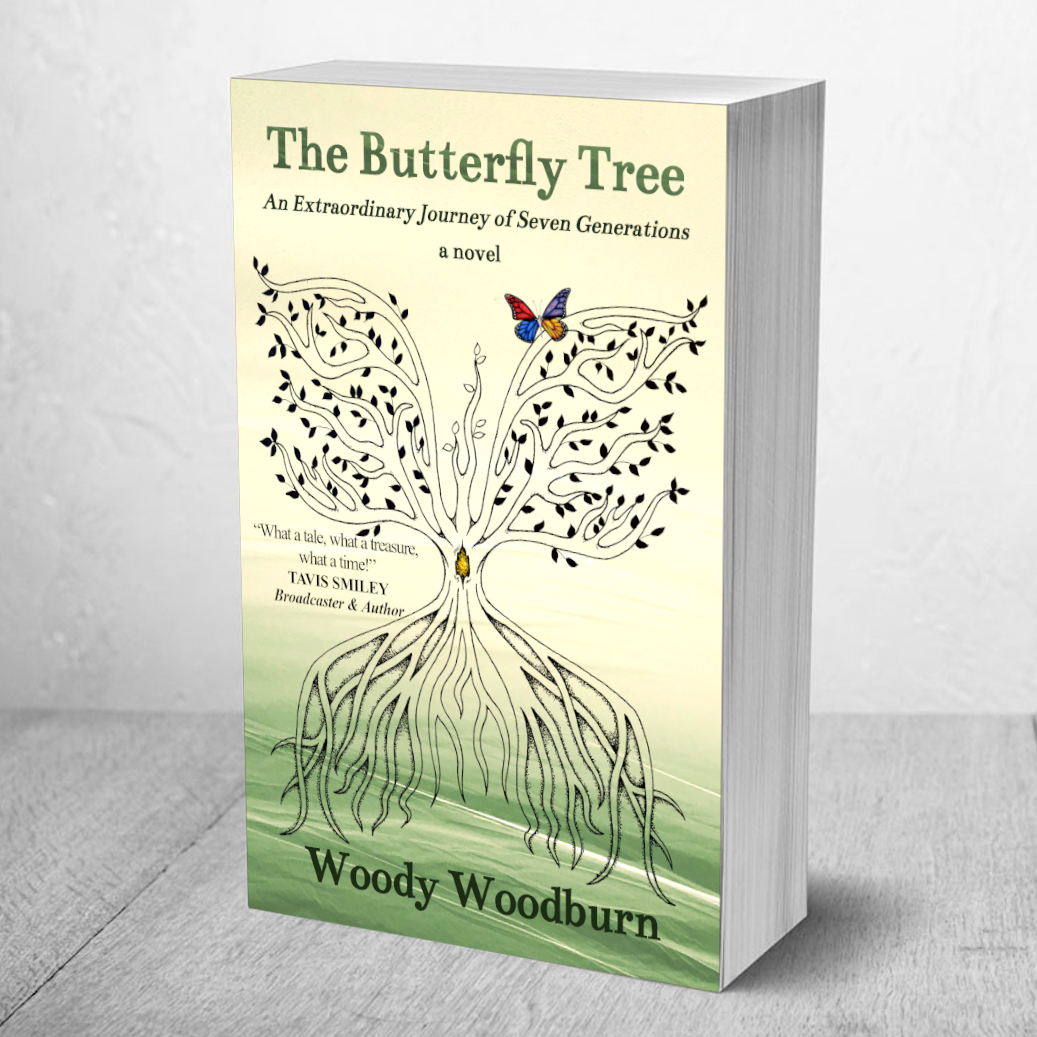
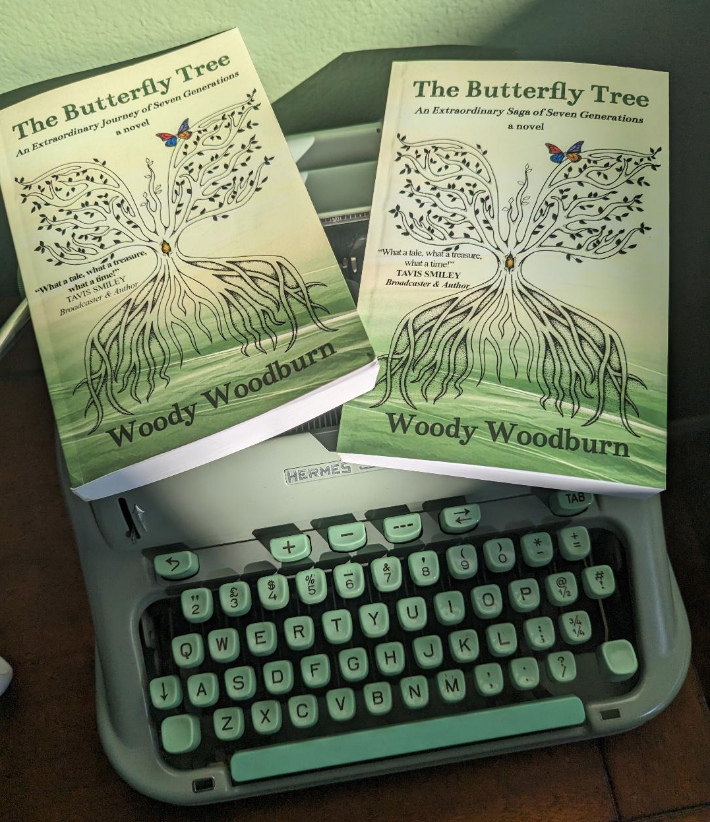
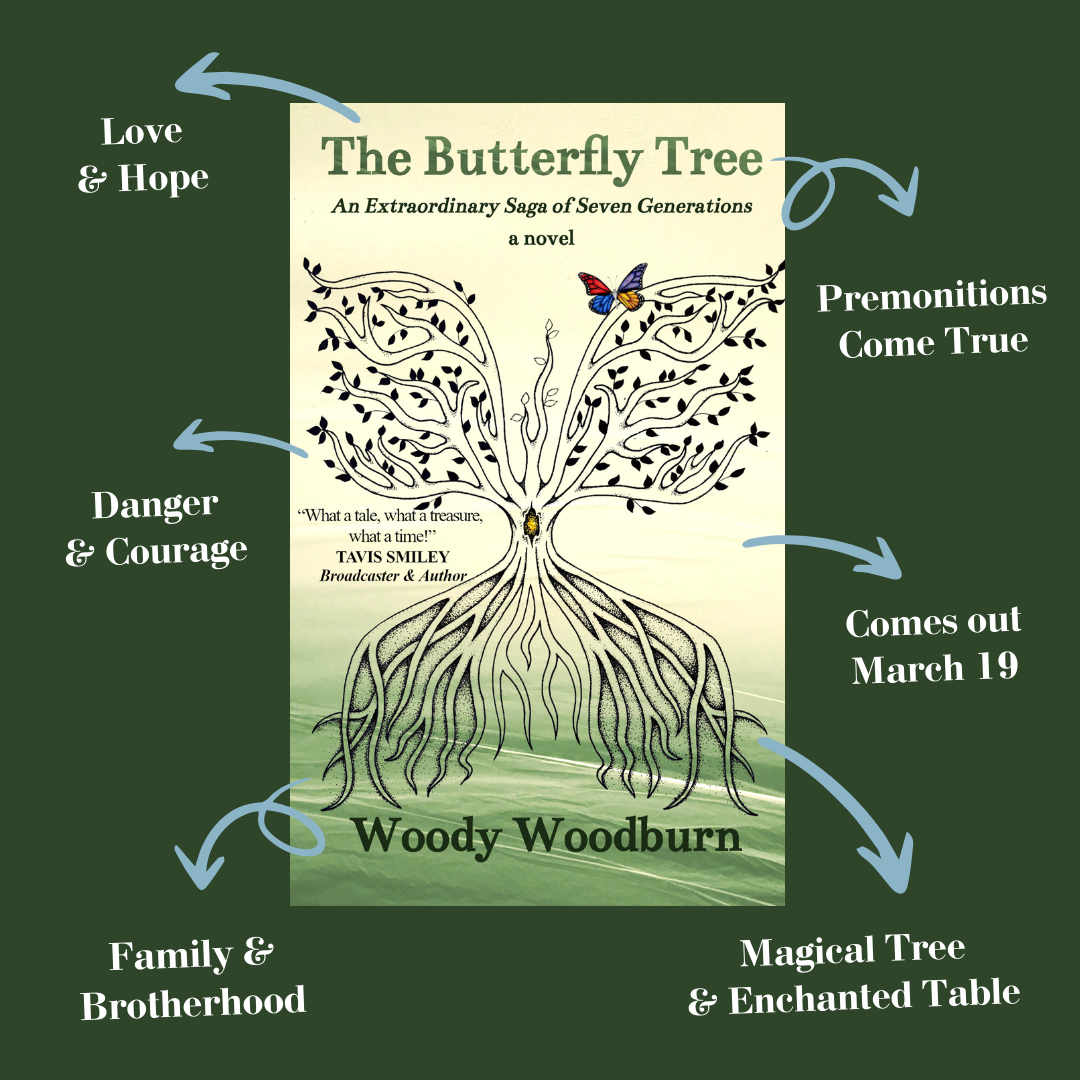
Woody’s new novel “The Butterfly Tree” is now available in paperback and eBook at Amazon (click here), other online bookstores, and is orderable at all bookshops.

*

Woody writes a weekly column for The Ventura County Star and can be contacted at WoodyWriter@gmail.com. Follow him on Twitter and Instagram at @woodywoodburn.


Sticky, Sweaty, Sleepless, Sublime Nights

Woody’s award-winning debut novel “The Butterfly Tree” is available at Amazon (click here), other online retailers, and orderable at all bookshops.

*

In the summertime, in my boyhood, in Ohio, humid nights sometimes refused to cool down much from the sunburned daytime making falling asleep next to impossible.

Pop, despite Mom’s pleas, refused to get air conditioning. He also refused to buy electric fans, despite the whining of us four kids, because he was convinced at least one of us would poke a finger through the wire cage guard into the whirling blade and he would have to rush us to the E.R. and personally sew the tip back on.

On the muggiest nights, when our pajamas clung to us like we had the flu and 102-degree temperatures, my siblings and I – and sometimes Mom, but never Pop who apparently could have fallen asleep in a steamy tropical rainforest – would peel off our PJs down to our BVDs and migrate downstairs to the dining room because it had floor-length windows that let in the softest whispers of a breeze. Lying next to the open windows we camped restlessly atop open sleeping bags.

As miserable as those sweltering sweaty sticky sleepless nights were, it’s funny how they are among my cherished memories – “marble-in-a-jar” remembrances, to borrow from last week’s column. In my mind’s eye and ears, I can still see and hear my two older brothers, bookended on either side of me, telling ghost stories and cracking jokes until our little sister would decide the jungle heat upstairs was preferable and left us alone to our tomfoolery. Eventually, of course, our laughter became snoring.

I was reminded of these miserably marble-ous memories after a similarly sleepless sultry night recently at my daughter’s home in the Bay Area. The guestroom, on the first floor and east facing, is generally so comfortably cool I cannot recall ever not needing a blanket even in summertime.

Not this time.

Opening the sliding glass door would have solved the problem for while the day had been hot, the evening cooled down very pleasantly. Alas, the house security alarm was turned on and I did not wish to wake my daughter or son-in-law to deactivate it; they had long earlier gone to bed, as is demanded when you have two young kids who rise and shine before the sun does.

Remarkably, my warmhearted Much Better Half, who favors a thermostat setting of “Igloo,” fell fast asleep in the sweat lodge-like heat as if sprinkled with fairy’s dream dust.

Unremarkably, in the wee hours I had to go to the bathroom – which proved to be a big relief in two ways, because in the hallway I was greeted by temperatures as cool as a TikTok influencer. Returning to bed, I left the guestroom door ajar to let the wintermint air drift in and said hello to dreamland.

Not so fast.

Moonlight now also sliced in through door crack, bright enough to be bothersome. No matter, I turned facing away and shut my eyes tight and…

tick-tock Tick-Tock TICK-TOCK!

A wall clock in the nearby family room, unnoticeable during the noisy busyness of daytime, in the lonely quiet hours echoed like a pickleball match. It was water torture to the ears, and then…

snore Snore SNORE!

It would be kind to describe it as a soft humming lullaby, but in truth the snoring was as loud and unmelodious as three young brothers cracking jokes on a hot summer’s night.

I was about to nudge Sleeping Beauty awake when it struck me that she was drowning out the far more annoying clock. Suddenly, I appreciated her snoring as a familiar lullaby indeed and drifted happily to sleep.

* * *

Essay copyrights Woody Woodburn

Woody’s new novel “The Butterfly Tree” is now available in paperback and eBook at Amazon (click here), other online bookstores, and is orderable at all bookshops.

*

Woody writes a weekly column for The Ventura County Star and can be contacted at WoodyWriter@gmail.com. Follow him on Twitter and Instagram at @woodywoodburn.
Some days glow with ‘Moonlight’

Woody’s new novel “The Butterfly Tree” is available at Amazon (click here), other online retailers, and orderable at all bookshops.

*

In one of the all-time great movies, “Field of Dreams,” one of the all-time great cinematic characters, Dr. Archibald “Moonlight” Graham, recalling the one and only game he appeared in in the Major Leagues, a game that ended with him on deck without getting his first big-league at bat, makes an all-time wise observation:

“We just don’t recognize life’s most significant moments while they’re happening. Back then I thought, ‘Well, there’ll be other days.’ I didn’t realize that that was the only day.”

Yes, hindsight often affords the clarity to see that a seemingly common day was an “only day” that sparkled like midnight moonlight on a mirror-smooth pond.

Indeed, seven months after my eldest brother passed away, with the thick fog of mourning slowly burning away by the sunshine of warm memories, I realize the bright rays that are dearest to me are not the big moments – not graduation days or birthdays or weddings, even when I was his best man.

“Cultivate the habit of being grateful for every good thing that comes to you, and to give thanks continuously,” Ralph Waldo Emerson wisely wrote. “Write it on your heart that every day is the best day in the year and this time, like all times, is a very good one, if we but know what to do with it.”

The best moments, the most significant memories with Jimmy, were summer days swimming in a rural pond and nights catching fireflies; him teaching me to ride a two-wheeler and drive a stick shift; playing Euchre and laughing, playing board games and laughing, playing pranks on Mom and laughing; shooting pool and throwing darts and racing slot cars and HO trains, all in our basement; and so on, the ordinary coming into focus across time as special; halcyon day after day being an “only day.”

With this in mind, I recently wrote the following day in my heart, an ordinary day that even down the road I cannot imagine looking back at as being a day of significance, yet thanks to an Emerson-ian frame of mind it was a “very good one.”

The day started with a banana that was, to my taste, perfectly in the ripeness sweet spot – not a little too green and firm and slightly bitter as the day before; not a tad too brown and soft as would be the case tomorrow.

Next, at the keyboard, words flowed from my mind to my fingertips to the screen as effortlessly as water down a swift stream. Later, on my afternoon run, the miles flowed as easily as the typed words had and running an errand soon thereafter my car flowed through traffic like a flying magic carpet.

After initially just missing a left-turn green arrow, I altered my route home and went straight ahead when the red light turned green…

… and proceeded to make every single traffic signal, 17 greens in all, in a row, impossibly. (I counted the lights the next time I drove the route, faring much worse.)

Admittedly, twice I gamed the situation a wee bit by tilting the pinball machine, so to speak, slowing down noticeably so as to still be rolling along when a red light in the distance turned green by the time I reached it. All the same, it was remarkable and put a smile in my heart.

The rest of my day was similar, not because of big things worth recounting here, but rather, I suspect, simply because I was in the frame of mind to appreciate the moonlight shining upon small things.

* * *

Essay copyrights Woody Woodburn

Woody’s new novel “The Butterfly Tree” is now available in paperback and eBook at Amazon (click here), other online bookstores, and is orderable at all bookshops.

*

Woody writes a weekly column for The Ventura County Star and can be contacted at WoodyWriter@gmail.com. Follow him on Twitter and Instagram at @woodywoodburn.
Still Trying To Be Like My Grandpa

Woody’s new novel “The Butterfly Tree” is available at Amazon (click here), other online retailers, and orderable at all bookshops.

(One year ago today, Feb. 28, my father died at age 97. In his honor, from my archives in 2019, here is a column he greatly enjoyed about his own dad. The ending paragraph has been updated.

*

Grandpa Ansel, the only grandparent I knew, died when I was only 7, yet he lives on clearly in my memories.

That my son’s middle name is Ansel goes a long way in telling you how much I loved and admired Grandpa. An art assignment when I was in the first grade further fills in the picture.

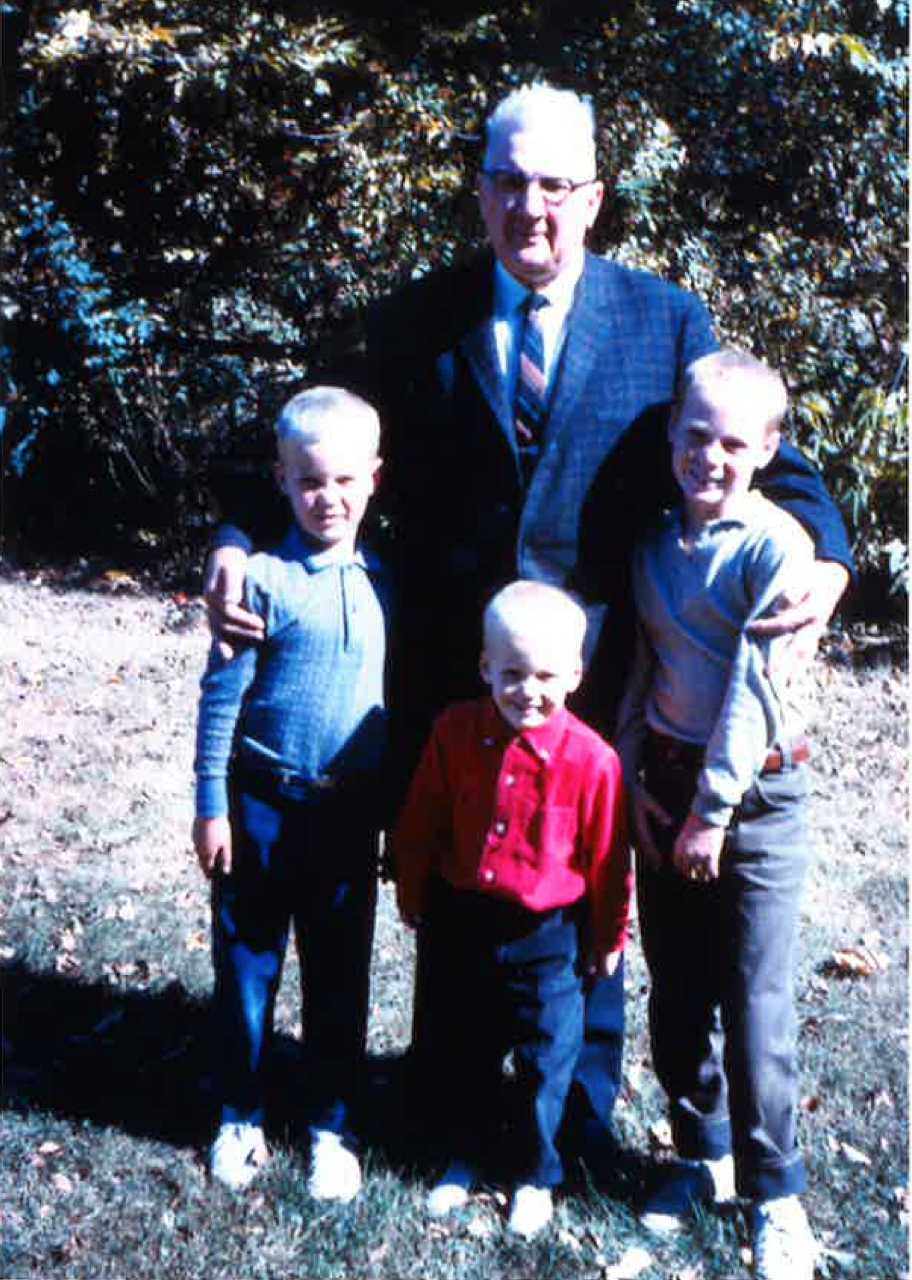
Grandpa and me and my two older brothers…

“And who is this?” asked Miss Bower, studying my crayon portrait response to her prompt: “Who is the most important person in the world?”

“My grandpa,” six-year-old-me replied, matter-of-factly, as though it were so obvious no answer should have been required.

“All your classmates drew portraits of President Johnson,” Miss Bower noted, adding: “Your grandpa must be very special.”

Me: “Yeah, he’s pretty ginchy.”

To be honest, the thought of drawing a portrait of the President of the United States never crossed my mind. In truth, I wondered why my friends had not drawn pictures of their grandpas.

After all, it wasn’t the President who patiently showed me how to bait a fishhook. Certainly the President had never set down his fly rod to calmly help me untangle a bird’s nest of fishing line in my backlashed spinning reel.

It wasn’t the President who taught me other important things a boy needs to know, like how to skip flat stones across the water; how to whistle; and how to pound nails without bending them.

The President never gave me a ginchy handcrafted wooden toolbox for my fifth birthday – or taught me funny old-fashioned words like “ginchy” which means “cool.”

“Grandpa, how come you don’t use worms like I do?” I once asked while “helping” him tie a fly in his basement fantasyland workshop of tools and endless jars filled with fishhooks, feathers, fur and other thing-a-ma-stuff.

“Oh, it takes a mighty skillful fisherman like yourself to catch a fish with a worm,” he answered. “That’s why you always catch big fish while I catch the little ones. I’d better stick to using flies if I want to have a chance to keep up with you.”

“Okay, Grandpa – but if you change your mind, I’ll share my worms with you.”

Grandpa shared lots of important things with me, like how to look a man in the eye when you shake hands; The Golden Rule; and that little boys in Russia are the same as little boys in America, this being during the Cold War.

“Which way is the wind blowing?” I would ask Grandpa whenever we went fishing. Before answering, he would moisten his index finger in his mouth and then dramatically extend it high in the air as I mimicked him.

Upon seeing which side of his finger-turned-weather-vane dried first, Grandpa would whistle-hum happily before responding: “I do believe it’s blowing from the west.”

Always, the wind was blowing from the west.

Always, this excited me and I would then recite by heart a poem Grandpa had taught me:

“When the wind is from the north, / The wise fisherman does not go forth.

“When the wind is from the south, / It blows the hook into the fish’s mouth.

“When the wind is from the east, / ’Tis not fit for man nor beast.

“But when the wind is from the west, / The fishing is the very best.”

Growing up, I wanted to be like Grandpa Ansel; six years ago, I truly became like him – a grandpa. With fishing as a metaphor, whenever we are together, I want my dear granddaughters Maya, Auden, and Amara to always feel like the wind is blowing from the west.

Stung in the Heart by a Yellowjacket

Woody’s new novel “The Butterfly Tree” is available at Amazon (click here), other online retailers, and orderable at all bookshops.

*

Let me begin, despite eyes blurred by tears as I write this, with a laugh.

It was a hot summer day in my boyhood, in Ohio, in the late 1960s. My two older brothers and I, our younger sister too, had gone swimming in a pond.

Suddenly, on the short walk back to a weekend cabin, Jim, the eldest and five years my senior, started yelling and hopping wildly about as if dancing on red-hot coals. He was 13 or 14 years old and gangly, already his full adult height of 6-foot-3 but skinny as a brand-new No. 2 pencil with a shock of hair as red as its eraser.

The reason for the impromptu Irish jig was because, somehow, a yellowjacket had gotten inside his cutoff jeans swimsuit and was stinging and biting him, again and again, over and over, in the crotch while Jimmy frantically tried to unbutton and unzip and peel off his clingy wet shorts. For us three sibling spectators, it was side-stitch hilarious.

Today, my heart feels like it has been assaulted by a dozen angry yellowjackets: Jim died earlier this week, mid-morning Monday to be precise, a midsummer day with too much lovely sunshine for such searing sorrow. He was 14 months shy of the Biblical “threescore years and ten,” and oh, god, am I furious at cancer for stealing his wonderful life.

The heinous disease attacked relentlessly over the past seven years, but Jim valiantly kept extending the battle. He lost both his ears, literally, but never his bottomless sense of humor. At a wedding reception in a museum a few years back, Jim removed an ear prosthesis and positioned it on a tooth of a replica dinosaur skeleton that was not roped off. As he posed for a selfie, a docent materialized and gently commanded: “Sir, please remove your ear from the dinosaur’s mouth.” T-Rex-sized laughter was the norm whenever Jimmy was around.

A hundred columns would not suffice in telling all about my big brother, but this single sentence speaks volumes: Jim was more of a dad to me than my dad was. The latter was overly busy with his surgical career and so it was Jimmy who showed me how hit a baseball and throw a football spiral; taught me to play cribbage and euchre; helped with my homework.

Jim showing off his new “ear” prostheses!

When I was very young and would have a nightmare, it was Jimmy’s bed I climbed into—and he would let me stay until morning. When I was older, he gave me the sex talk and taught me to drive a stick shift with nary an angry word when I grinded the gears of his Pinto.

Throughout my adulthood, Jimmy remained a role model and was there for me in big ways and small. A small example: he would text me when one of my columns especially delighted him. How dearly I am going to miss those big-bro kudos.

A big example: during our forever-goodbye visit mere days ago, Jimbo reached for my hand and held it and squeezed it as he whispered, using a private nickname he gave me when I was maybe 5 and ever after always called me by: “Grog, you’ve been a great little brother.” Tears instantly overflooded my eyes, yet helium filled my heart.

Jim married his college sweetheart, was a Girl Dad three times over, and eventually had seven grandchildren—and his next greatest love was being a surgeon. I think his blood flowed Scrubs Green in color, not red. His patients absolutely adored him; nurses and fellow doctors, likewise.

Let me end with another summer memory, this one when Jim was in medical school, in New York, and I flew out to spend a couple weeks with him. At one point he shared that while learning to insert a catheter they each had to do so to their own self. I flinched empathetically and said something like, “Ouch! That must really sting.”

Not missing a beat, Jimmy replied: “It wasn’t nearly as bad as a yellowjacket in my shorts.”

* * *

Essay copyrights Woody Woodburn

Woody’s new novel “The Butterfly Tree” is now available in paperback and eBook at Amazon (click here), other online bookstores, and is orderable at all bookshops.

*

Woody writes a weekly column for The Ventura County Star and can be contacted at WoodyWriter@gmail.com. Follow him on Twitter and Instagram at @woodywoodburn.
Encore Excerpt From ‘The Butterfly Tree’

Woody’s new novel “The Butterfly Tree” is available at Amazon (click here) and orderable at all bookshops.

*

A good many readers in response to the column two weeks ago excerpted from my new novel “The Butterfly Tree: An Extraordinary Saga of Seven Generations” asked for more. Who am I to argue with taking the day off? And so, from the opening chapter, an encore:

Ka-BOOM!

Thunder exploded, its volume deafening, its lightning flash brilliant as the Biblical bolt that blinded Saul, shooting down from the heavens with the earthshaking power of a million hatchet blows. The blade of electricity cleaved The Black Walnut Tree as effortlessly as a honed hunting knife slicing a stalk of celery.

A life of 231 years ended in a split-second.

The regal tree was sliced cleanly in two, from leafy crown to grassy ground, the splayed halves as identical as a left and right hand. The newly exposed surfaces seemed as if a master cabinetmaker had spent endless hours sanding, varnishing, buffing.

In death The Black Walnut Tree had been a lifesaver, shielding a clan of Roma migrants from being lanced by the thunderbolt. The ensemble, encamped along the riverbank in March 1852, had sought shelter beneath the tree’s colossus canopy—most importantly, Aisha Beswick, who was in labor with her first child. Huddled alongside Tamás, the expectant father, was Dika, Aisha’s mother and a revered fortuneteller.

Half an hour before the fateful lighting strike, as moody clouds roiled ominously darker, darker, closer, closer, Dika bemoaned, on the edge of weeping: “The peril is great for Aisha and the baby. We must fetch a doctor or they shall both die, this I know.”

Without hesitation, Hanzi volunteered for the emergency errand. The teenager, as if a descendant of the wing-footed Greek messenger god Hermes, raced two miles to town with such swiftness that the falling raindrops seemed to miss him.

*

Aisha’s contractions became more frequent, more fierce, more worrisome.

The apocalyptic sky was having its own contractions, three-hundred-million-volt flashes of lightning followed by deafening whipcracks.

“Oh, Lord, please watch over my child,” Dika said softly, head bowed, “and keep safe my precious grandbaby.”

Dika’s prayers seemed suddenly answered with Doc’s hasty arrival, but just as he set down his medical bag—

Ka-BOOM!

The fateful thunderbolt smote The Black Walnut Tree like a mighty swing of Paul Bunyan’s giant axe. Miraculously, no one was killed by the lightning strike, nor injured by the falling twin timbers. All, however, were dumbstruck with fright.

All, except Doc.

“Gentlemen, I need you to hold a blanket overhead—like a tent,” Doc calmly directed the gathering. “We want to keep our expectant mother here as dry and comfortable as possible.”

As this was being done, Doc removed his raincoat and favorite derby hat, dropped to one knee, went to work.

Another wave of contractions washed over Aisha and she wailed loud as a thunderclap.

“Omen bad,” Dika sobbed, staring at the felled tree halves. “Two sunrises this poor child will not live to see.”

Not a believer in prophecies, Doc was deeply concerned nonetheless. His heart raced like Hanzi’s feet had for this was the first baby—the very first—Dr. Lemuel Jamison would endeavor to deliver all by himself.

Only two weeks earlier, Doc had completed a nine-month obstetrics internship at Cincinnati’s Commercial Hospital that was affiliated with The Medical College of Ohio from which he graduated top of his class.

During his internship, Doc delivered countless babies. Always, however, there had been an experienced obstetrician by his side, ready to help—or take over fully—if things turned dicey.

Things were dicey now.

And about to turn dicier.

* * *

Excerpt from “The Butterfly Tree” by Woody Woodburn, BarkingBoxer Press, all rights reserved, now available at Amazon and other online booksellers, and many bookshops. Woody can be contacted at woodywriter@gmail.com.

Essay copyrights Woody Woodburn

*   *   *  

Woody’s new novel “The Butterfly Tree” is now available in paperback and eBook at Amazon (click here), other online bookstores, and is orderable at all bookshops.

*

Essay copyrights Woody Woodburn

Excerpt from ‘The Butterfly Tree’

Woody’s new novel “The Butterfly Tree” is available at Amazon (click here) and orderable at all bookshops.

“Life imitates art,” Oscar Wilde famously asserted and his words proved eerily accurate a month ago when my 97-year-old father, a surgeon turned patient, was battling cancer to the courageous end.

One night, after Pop’s breathing had grown shallower by the day and more and labored by the hour, I read him the excerpt below from my newly released novel “The Butterfly Tree: An Extraordinary Saga of Seven Generations.”

*

“What I want you to promise me,” Doc said—breathe—“is that you’ll grieve only one day for me.” Breathe. “After one day, dry your eyes and focus on always remembering our good times together”—breathe—“and never forgetting how much I love you.”

Tears bathed his twin sons’ cheeks.

“There’s something I never told you”—breathe—“and probably should have,” Doc, now 83, continued weakly, pneumonia’s grip growing strong. With effort he proceeded to share the depths of his long-ago widower’s bereavement and suicide attempt, including the exploding ether bottle that awakened him the night his house burned down. “So you see”—breathe—“you boys saved my life.”

“We had no idea,” said Lemuel.

“We’ll still never say who really started that fire,” Jamis said, impishly.

“I have my suspicion,” Doc retorted, winking intimately at Jay-Jay.

Turning serious again: “As I’ve often told you, try to make each day your masterpiece. Breathe. If you’re successful doing that most days, day after day and week after month after year”—breathe—“when you get to the end of your adventure you’ll have lived a masterpiece life. Breathe. I’ve made some flawed brushstrokes, certainly, but all in all, I’m pleased”—breathe—“with my life’s painting. Yes, I feel happy and fulfilled. My only real regret”—breathe—“is that it’s all passed by so swiftly, in a blink it seems. Breathe. I feel like I did when I was a kid on the pony ride at the fair”—breathe—“I want to go around one more time.”

Jamis leaned over and hugged Doc, embracing his Pops longer than he ever had, and still it was far too brief. Lem, lightly stroking Doc’s left arm, suddenly realized the brushstroke-like birthmark resembled Halley’s Comet—The tail of a comet that Grandma warned us would bring tears, he thought.

Doc slept for most of the next two days, awaking only for short spells—including evening shaves from the town barber, Jonny Gold. Breathing became more labored as his failing lungs slowly filled with drowning fluid. During Connie’s illness long before, and again with Alycia’s not so long ago, Doc lovingly told them it was okay to “let go” rather than suffer. But he found it impossible to grant himself similar merciful permission.

Jamis and Lem gave it instead.

“Keep fighting if it’s for you, Pops,” Jamis said, his tone tender as a requiem. “But if you’re doing it for Lem and me, we’ll be okay—go be with Aly and Connie. We love you beyond all measure.”

“We’ll never forget your love,” Lem whispered, his lips brushing his namesake’s ear.

Doc opened his eyes, blue-grey like the ocean on a cloudy day, and with clear recognition grinned fragilely at Jamis, then at Lem, letting them know he heard their lovely words. His eyelids lowered shut as he squeezed his sons’ hands and whistle-hummed, almost inaudibly, before being gently spirited away.

*

When I finished reading, and then echoed the twins’ words with my own, my dad opened his ocean-hued eyes, briefly; smiled, faintly; gave my hand a tender squeeze, lengthily; and death imitated art before my next visit the following day.

*   *   *  

            Woody’s new novel “The Butterfly Tree” is now available in paperback and eBook at Amazon (click here), other online bookstores, and is orderable at all bookshops.

*

Essay copyrights Woody Woodburn

Excerpt from “The Butterfly Tree” by Woody Woodburn, BarkingBoxer Press, all rights reserved, now available at Amazon and other online booksellers and many bookshops. Woody can be contacted at woodywriter@gmail.com.

*

Hands of Time Stop, Tears Start

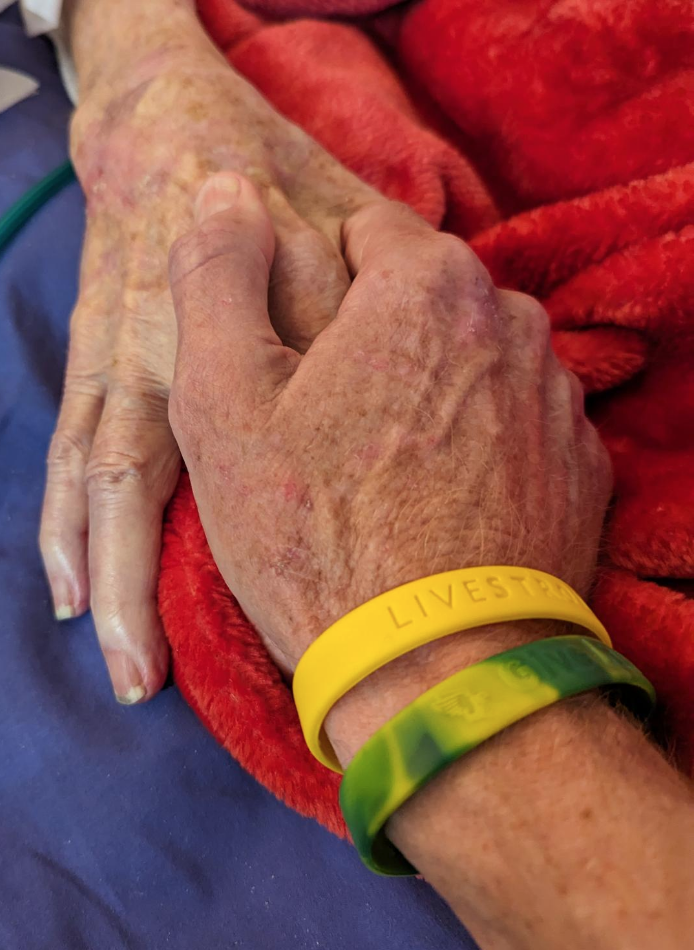
The photograph is of two hands, right hands both, one holding the other. More specifically, the hand on top is wrapped around the index and middle fingers of the bottom hand, with the top thumb resting upon – in truth, gently and tirelessly caressing – the metacarpophalangeal knuckles.

Look more closely and you will see that the embraced hand is more aged and that the younger wrist wears two similar bracelets: a sunny yellow “Livestrong” cancer silicon band and a green-and-yellow swirly one.

The joined hands are resting on a red fleece blanket mostly, partially on a blue bedsheet, and if the photo were not cropped so tightly you would see an oxygen breathing tube running across the mattress – and suddenly the yellow bracelet would take on added gravity.

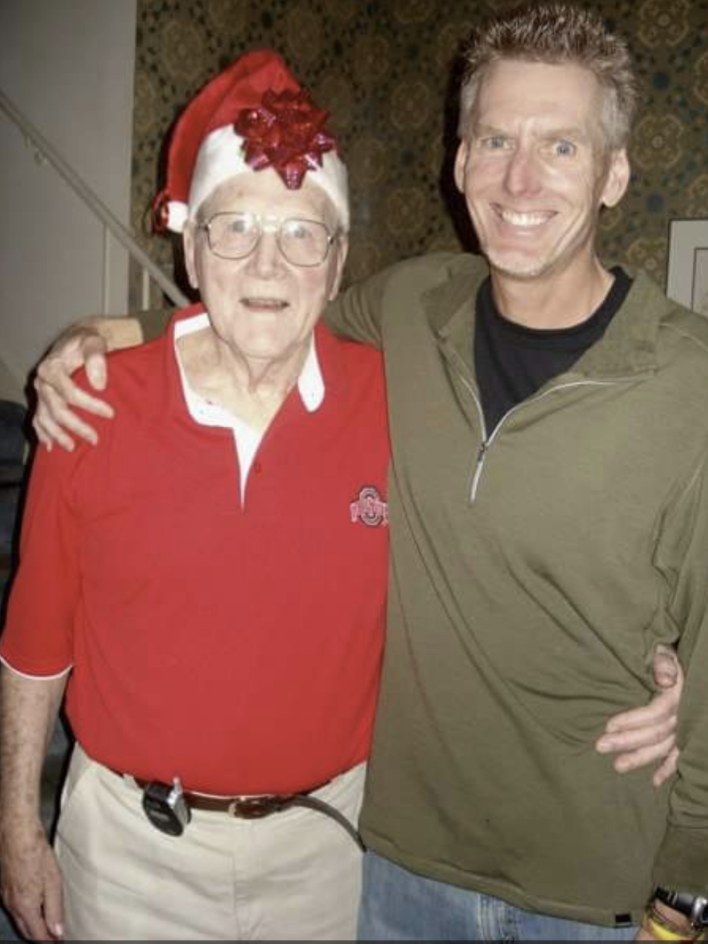
Pop and me…

For 20 years I have worn this Livestrong bracelet in remembrance of friends and family and colleagues, a roll call that has tragically grown far too lengthy, who have died from cancer. The swirly bracelet, meanwhile, is in similar honor of cancer survivors, the green, like spring leaves on a tree, signifying lives still blooming.

Two days ago, on the last day of February if this were not a Leap Year, the bracelet honoring my 97-year-old dad who previously defeated an array of serious skin cancers, and most recently battled bone cancer, switched from green-and-yellow to all yellow. On John Steinbeck’s birthday, just as the Pacific sun was setting on the Channel Islands, a sight my dad dearly loved to watch but for the past few weeks could not, Dr. James Dallas Woodburn II – a formal mouthful of syllables but just “Pop” to me – left our earthly Eden.

The eyes may be windows to the soul – Pop’s were blue and clear until the very end – but it is his hands I wish to focus on here. Those hands had magic in them. I mean that truly. Those hands saved far too many lives to count, and restored the quality of life to endless more, for they were a surgeon’s hands.

During my final visit with my dad…

Amazingly, those hands, quite large and strong, kept their skill and dexterity well into their ninth decade, performing their magic in the Operating Room at Ventura’s Community Memorial Hospital, where he joined the staff in 1972, in mid-career, until three years ago. That’s right, Pop was operating until age 94, albeit in the latter decade only assisting. It may not be a record for surgical longevity, but surely it makes the hall of fame.

Those hands, belonging to the son of a country physician, had the proud joy of performing their magic alongside his two eldest sons, my older brothers, general surgeons both.

“Are Jim and Doug as good as you were?” I asked Pop during our daily evening visits the past few months. With Midwest modesty, for he was born and raised in Ohio, he answered, “You’ll have to ask them,” but his wry smile revealed his true feelings of mastery.

Those hands, as a boy tossed, footballs and baseballs and shot basketballs with his friends and later did so with his three sons.

Those hands, as father of the bride, guided his fourth-and-youngest child down the wedding aisle.

Those hands blessedly held nine grandchildren, “The Grands” he proudly called them, and even more blessedly held “a lucky 13 Greats.”

Those hands did crossword puzzles in a flash, always in ink, up until the final few days when his razor-sharp mind finally became foggy from increased painkillers.

While heinous cancer and toxic chemotherapy, four rounds of three sessions each, a medical torture for a nonagenarian, seemingly stole every ounce sans his skin and bones, those hands amazingly did not become skeletal and knobby. Indeed, caressing the hand in the photo, I marveled at its soft and smooth skin.

Long, long ago on a blind date in college, on a hayride, those hands of a Navy veteran, back home from World War II, bravely held the hand of a beautiful blonde college coed for the first time, and would eventually hold that woman, my mom, through 38 years of marriage before she died three decades ago.

 I like to imagine those hands now gently brushing away the happy tears from the cheeks of my mom upon their reunion.

*   *   *

Woody’s debut novel “The Butterfly Tree: An Extraordinary Saga of Seven Generations” will be published in late March.

Essay copyrights Woody Woodburn

Woody writes a weekly column for The Ventura County Star and can be contacted at WoodyWriter@gmail.com. Follow him on Twitter and Instagram at @woodywoodburn. His SIGNED books are available at www.WoodyWoodburn.com.
Shared Memory is Music to My Heart

Approaching the front door of an attractive home, two stories and gated, I was greeted with a gentle breeze that carried upon it a jazzy piano melody.

So lovely was the music, which I soon learned came from a gorgeous Steinway – a century-old family heirloom, in fact, played by a gifted pianist – that before gently knocking, rap-rap-rap, I stood outside the threshold for a very long moment and listened.

And yet an even more beautiful song awaited me inside, the song of a story shared about my paternal grandfather, life-changing memories from 69 years ago and 2,300 miles away.

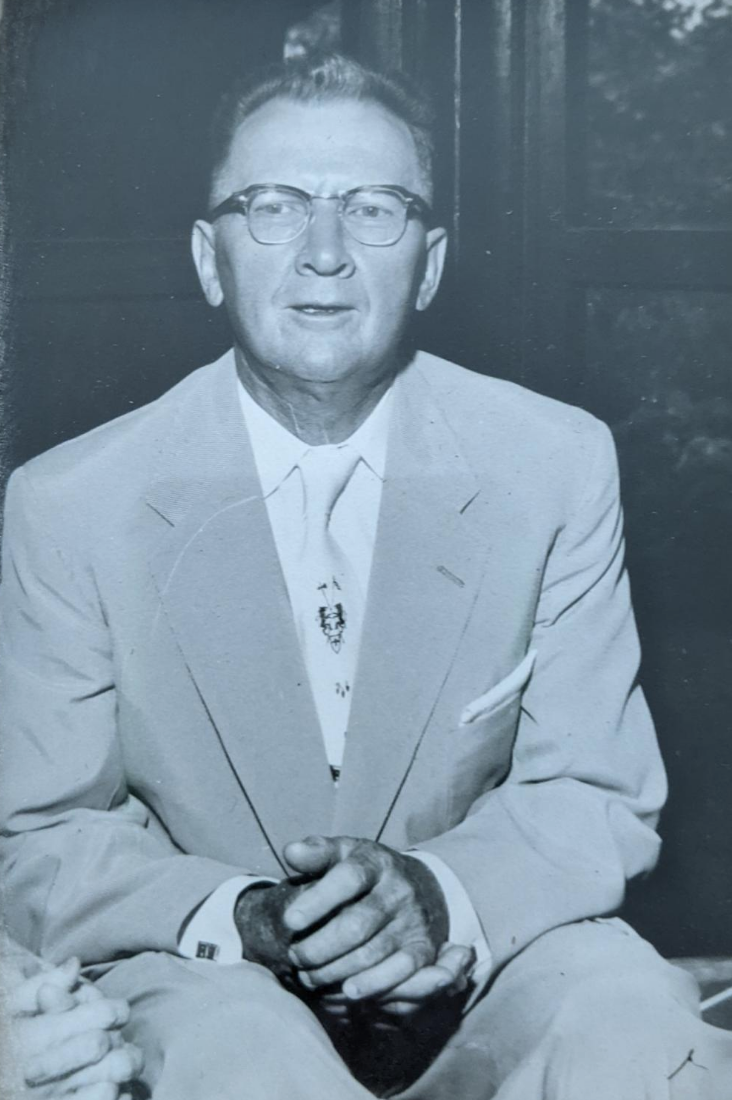
Dr. Ansel Woodburn, aka my Grandpa

Before moving forward with this song, I must first briefly go backwards. Three years ago in this space, I wrote about my Grandpa Ansel who was a country physician in Urbana, Ohio. In part, I quoted from a yellowing newspaper clipping from The Urbana Daily Citizen with the headline “Fond Memories of Doc Prevail” below whichMarilyn Johnson recalled being treated by my grandfather many, many years ago.

“When I was small,” she wrote, “I was always breaking a bone. Dr. Ansel Woodburn would first of all use his trusty (and hated) thumb to locate the fracture. He would then set the bone and cast it.”

She specifically recalled one fracture and treatment: “After he casted my arm, he asked how my favorite doll was doing. Before I could say ‘Jack Robinson,’ he had fashioned a doll cradle with Plaster of Paris and wires on which to rock.”

In response to my column, I received an email from another patient my grandpa had cared for a long, long time ago. Suzie told me she was given an even greater kindness than a toy doll cradle.

Wondering how in the small world Suzie had come across my column nearly across the nation in Ohio, and also wishing to hear more of her recollections about Grandpa Ansel, I wrote her back and asked. Surprise of surprises, it turns out she now lives in Camarillo and subscribes to The Ventura County Star.

Moreover, Suzie very kindly invited me to come for a visit so she could share her memories in person. Alas, the busyness of life, as it has a way of doing, along with the pandemic, as it had a way of doing, got in the way. Recently, at long last, our get-together happened.

By convenience, and by a 1-in-365 coincidence, we unintentionally met up on the very day marking the 55th anniversary of Ansel’s death. Adding to the serendipity, perhaps raising it to fate or a Godwink, is this: In 1954, when Suzie was an 18-year-old high school senior walking into Ansel’s physician’s office, he was 62 years old. When Suzie, now an octogenarian, welcomes me into her home with a piano’s song, I too am 62.

Music and poetry go hand in hand, so I am reminded of an original poem Grandpa penned on the title page of his copy of “Modern Surgery,” an heirloom holy as scripture. It is dated October 1, 1919, four days before his 28th birthday:

“The worker dies, but the work lives on / Whether a picture, a book, or a clock

“Ticking the minutes of life away / For another worker in metal or rock

“My work is with children and women and men – Not iron, not brass, not wood

“And I hope when I lay my stethoscope down / That my Chief will call it good”

A narrative Suzie shared with me, and which I will share here next week, confirms that Ansel’s “Chief” called his life’s work “good.”

*   *   *

Essay copyrights Woody Woodburn

Woody writes a weekly column for The Ventura County Star and can be contacted at WoodyWriter@gmail.com. Follow him on Twitter and Instagram at @woodywoodburn. His SIGNED books are available at www.WoodyWoodburn.com.

Ocean Rescue Rescues Memories

A big-wave warning was issued at Magic Sands Beach, as previously mentioned here about my recent trip to The Big Island of Hawai’i, and a strong rip current carried a swimmer further and further from shore.

The lifeguard on duty, sitting in a towering chair, called out with a bullhorn for the man to come back in. Either the command was ignored, or the swimmer was unable to heed it, and he was pulled deeper out to sea.

Before tense seconds could add up to a New York minute, the lifeguard – imagine David Hasselhoff in the old TV show “Baywatch” and you have an accurate portrait – flew down from his perch, ran and dove into the surf, and swam like he was challenging for an Olympic gold medal.

David Hasselhoff as Mitch Buchannon in “Baywatch.”

“Baywatch” originally aired from 1989 to 1999, but my mind raced all the way back to “Quarrywatch” in the 1940s starring my dad as the fictional Mitch Buchannon in red swim trunks.

During summers in high school through medical school, Pop was a lifeguard at Muzzy’s Lake, a flooded rock quarry in Urbana, Ohio. He started out earning fifty cents an hour.

“That beat the heck out the twenty-five cents an hour I made at my first summer job when I was fourteen, pumping gas at Blue Synoco,” Pop, now 95, recalls vividly. “Gas was sixteen cents a gallon – I remember that because most customers bought a dollar’s worth which was six-plus gallons.”

At Muzzy’s he eventually worked up to one dollar an hour and notes: “That was good money!”

He earned it. One single summer, between Memorial Day and Labor Day, Pop made 46 saves. Understand, Muzzy’s attracted upwards of a thousand people a day on weekends. Combine those crowds with a gently sloping bottom that in one blind step dropped off suddenly from friendly chest-deep water to 30-plus feet and you had the deadly ingredients for drowning.

Once, far outside the buoys marking off the swimming area, a car rolled off a towering bluff at the far end of the quarry and plummeted into deep, deep water. As it sank, Pop – an intercollegiate swimmer – raced freestyle to the crash site and dived down to the ear-popping cold depths in hopes of rescuing anyone trapped inside. It took three lung-burning tries before he finally located the car.

Thankfully, it was empty.

When a tow truck arrived at the scene, Pop dove down, down, down a fourth time to attach a chain so the car could be pulled out. It was a “Baywatch”-like episode in real life. Indeed, in photographs during his final years lifeguarding at Muzzy’s Pop seems chiseled from quarried stone at 6-foot-3 and 205 pounds and comes into black-and-white focus like Mitch Buchannon with a crew cut instead of longish curls.

In more than half a dozen summers in the tower chair, Pop – and his best friend and co-lifeguard, Dunny – had only one death occur during their Quarry Watch. A young boy, with a congenital heart problem it turned out, quietly sunk down underwater. There was no splashing, no struggle, no telltale sign of trouble for a lifeguard to see.

Meanwhile, the boy’s parents were not keeping a watchful eye and eventually sounded the alarm too late. Their son tragically drowned in less than three-feet of water that he could stand up in.

Happily, the Magic Sands Beach lifeguard towed the struggling swimmer to shore with the aid of a small torpedo-shaped buoy.

Isn’t it funny that traveling on vacation not only creates new memories, it can also rekindle old ones.

To be continued…

 *   *   *

Essay copyrights Woody Woodburn

Woody writes a weekly column for The Ventura County Star and can be contacted at WoodyWriter@gmail.com. Follow him on Twitter and Instagram at @woodywoodburn. His SIGNED books are available at www.WoodyWoodburn.com.
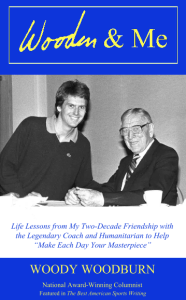
Personalized Signed copies of WOODEN & ME: Life Lessons from My Two-Decade Friendship with the Legendary Coach and Humanitarian to Help “Make Each Day Your Masterpiece” and  “Strawberries in Wintertime: Essays on Life, Love, and Laughter” are available at WoodyWoodburn.com