Wins, Losses Don’t Tell Full Story

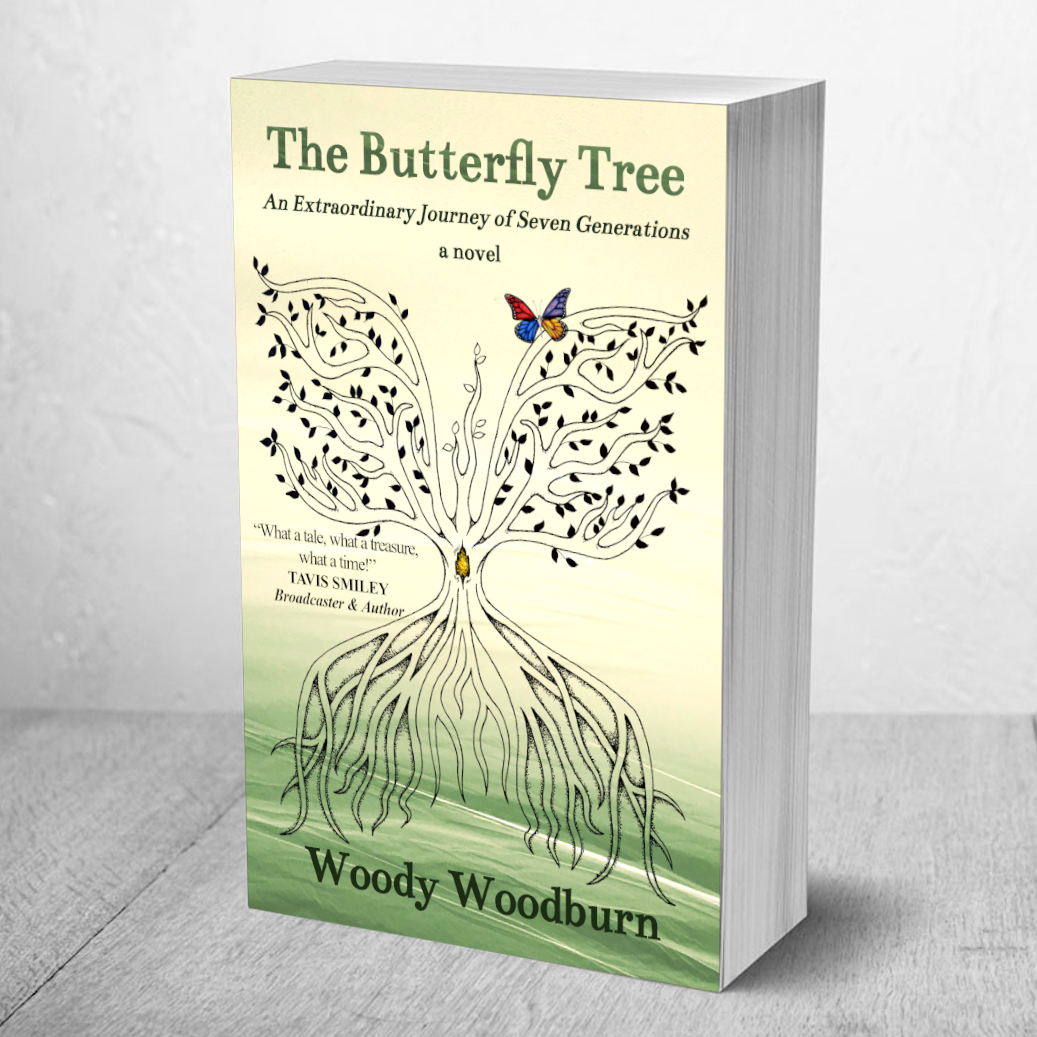
Woody’s award-winning novel “The Butterfly Tree” is available at Amazon (click here), other online retailers, and orderable at all bookshops.

*
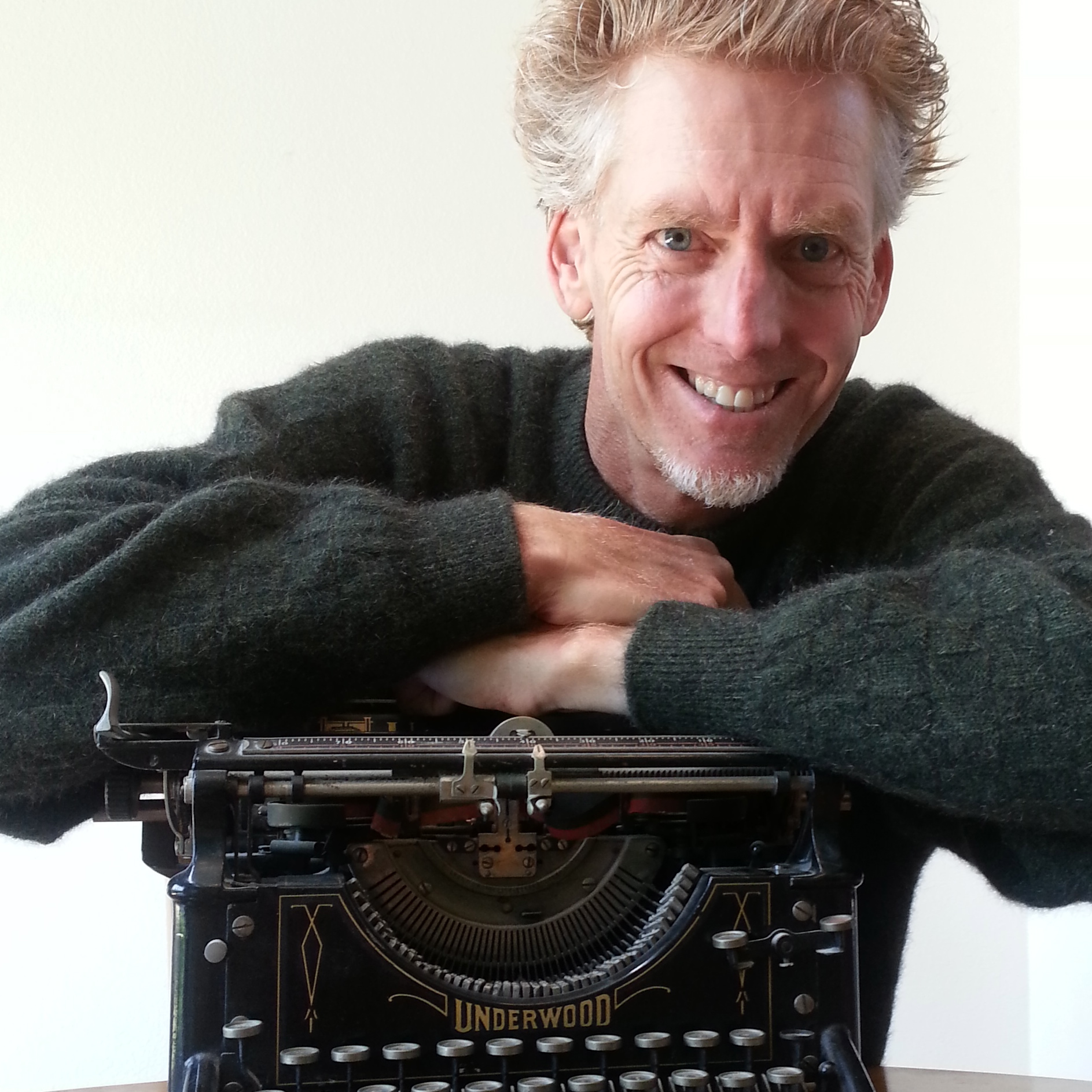
In a celebratory banquet room one recent summer afternoon, I learned about a somber hospital room from nearly two winters past and my esteem for a man I have admired for four decades further grew.

The happy occasion was a retirement party for Phil Mathews, honoring his half-century of coaching basketball, including a decade of dominance at Ventura College from 1986 to 1995 when he guided the Pirate men to ten consecutive conference banners with state titles coming in his second and final seasons.

His overall record as head coach at a handful of schools, including the University of San Francisco, was an eye-popping 611-354; he also enjoyed laudable success as an assistant, including at UCLA; and for good reason has been inducted into three different halls of fame.

Joey Ramirez and Phil Mathews

And so, also for good reason, more than 200 former players and fellow coaches, family members and friends, and even one bygone sports writer, showed up to show him their respect and gratitude and love.

A few laughs were shared reminiscing about Phil’s fire-and-brimstone coaching style, but more important were the heartfelt stories that offered a truer measure of the man; a man who, despite the full-court-like pressure the college coaching profession puts on marriages, has fast-breaked to 32 wedding anniversaries with his dear bride Margie; a man who is Velcro close with his four children in adulthood; a man who remains an active father figure to five decades worth of players.

Joey Ramirez played for Mathews at VC and later became the Pirates’ second-winningest head coach behind him, but he told the assemblage that the most important way he wanted to emulate his mentor was as a champion husband and dad. Goal achieved, for as he spoke, Joey’s lovely wife Olivia and two of their three affable sons looked on proudly.

There were no smiles in the Ramirez family two Decembers ago, however, after Joey contacted COVID and legionnaires disease and severe pneumonia – a medical triple-threat that landed him in the ICU for nearly two weeks while being intubated and fully sedated.

The great poet Robert Frost famously said, “No tears in the writer, no tears in the reader.” Conversely, Joey proved as he spoke at the podium this day: tears in the speaker, tears in the listeners. In a choked voice, Joey said that upon finally regaining consciousness in the hospital the first person he saw at bedside keeping vigil was his ol’ coach.

Something like that doesn’t go on a Hall-of-Fame plaque, but should.

Let me close with a story about the National Cathedral in Washington D.C. The magnificent edifice took 83 years to build, from 1907 to 1990, and near the end of construction progress slowed to a crawl because it became nearly impossible to find stonecutters with the skill necessary to prepare the stones properly.

Curious about this dying art on life support, a journalist went to the job site and interviewed two of the remaining stonecutters. Specifically, the writer asked the pair of master craftsmen to explain what they were doing.

“I’m shaping this stone so that it fits perfectly into that space over there,” the first stonecutter replied, pointing.

Coach Mathews certainly shaped his players to fit perfectly into their roles to help their teams succeed year after year after year. But it was the second stonecutter who truly epitomized Phil, for he offered a grander answer: “I am building a cathedral.”

By dedicating his adult life to shaping young basketball players into successful men in the game of life, Philip Lewis Mathews has indeed built a beautiful cathedral.

* * *

Essay copyrights Woody Woodburn

Woody’s new novel “The Butterfly Tree” is now available in paperback and eBook at Amazon (click here), other online bookstores, and is orderable at all bookshops.

*

Woody writes a weekly column for The Ventura County Star and can be contacted at WoodyWriter@gmail.com. Follow him on Twitter and Instagram at @woodywoodburn.
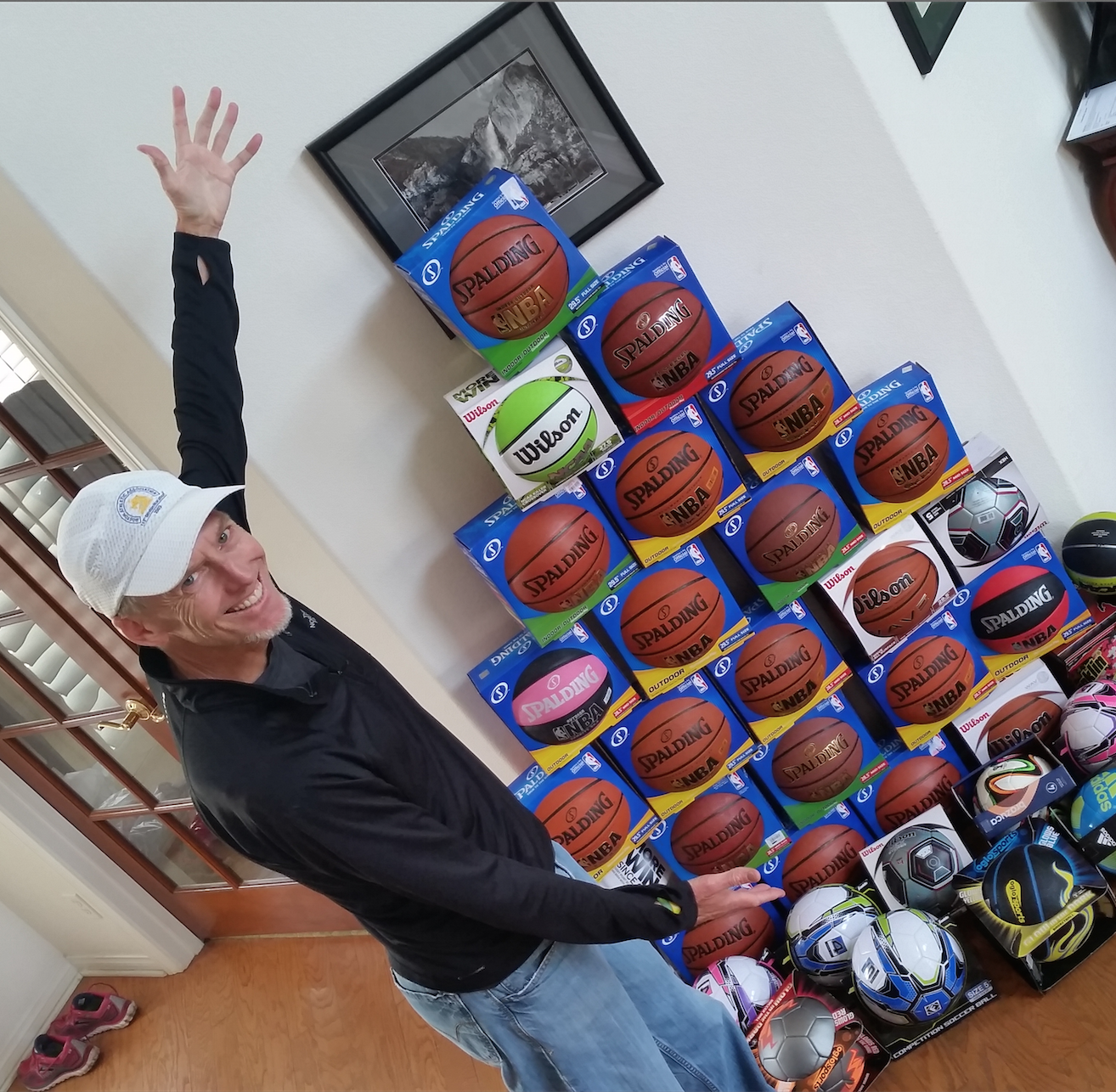
Still Feeling Lucky Decades Later

Woody’s new novel “The Butterfly Tree” is now available in paperback and eBook at Amazon (click here), other online bookstores, and is orderable at all bookshops.

* * *

A recent note, out of the blue, from a key mentor in my life whose praise can still put birdsong in my heart and helium in my stride, inspired me to reshare this column (with the time frame revised) from my Star archives…

*

It is hard to imagine anyone being luckier in Las Vegas than I was 43 years ago come this September. Freshly graduated from UC Santa Barbara, but jobless, I got a phone call that proved to be like a Jackpot-Jackpot-Jackpot spin on a slot machine.

A newspaper editor had tracked me down on my honeymoon, no easy feat before cellphones, offering an interview for a sportswriter position. That was the good news.

The bad news was the tiny twice-weekly publication, The Desert Trail, was in Twentynine Palms – a one-stoplight triple-digit-temperatures town where no young bride dreams of beginning her new wedded life. No matter, Lisa and I cut our honeymoon short and took a detour through the yuccas landscape on our drive back to Goleta.

I not only got the job, I got a blue-ribbon boss, life-changing mentor, and dear friend in the deal. The latter happened overnight, literally, as Dave Stancliff and his wife and their three very young sons took me into their home for a month.

Under Dave’s tutelage, I received a hands-on master’s degree education in journalism that made me a better writer.

More importantly, he imparted life lessons that made me a better person. For example, instead of giving a homeless person a few bucks for a fast-food hamburger, Dave would buy him or her a restaurant meal. Kinder yet, he sometimes surprised his family by bringing a hungry stranger home as a dinner guest.

Along with a heart of gold, Dave has mettle of steel. Straight from high school he went to fight in the sweltering jungles of Vietnam and Cambodia. Stories of his soldiering experiences gave me nightmares – and he did not even share the worst of the hell he saw.

Indeed, a decade before Tim O’Brien’s remarkable Vietnam War novel, “The Things We Carried” was a finalist for the Pulitzer Prize, I learned about “The Things Dave Carried” home from that war: PTSD as well as physical health issues caused by Agent Orange. He bravely battled those foes, and still does, as if they were fierce opponents in the ring when he was an Army boxing champion.

To say I admire Dave is an understatement of molehill and mountain proportions, so a blog post he wrote headlined “The Two Most Inspirational People I’ve Ever Met” caught my eye. After all, to be worthy of Dave’s highest esteem would require someone quite special. Eugene “Red” McDaniel certainly measures up. Now in his 90s “and still going strong,” McDaniel is a Vietnam vet who, after being shot down over Hanoi in 1967, spent six years as a POW before being freed.

“Red, who received the most brutal torture at the hands of his North Vietnamese captors, showed me how indomitable the human spirit is in the worst of times,” Dave wrote, having first met McDaniel in the mid-1970s while writing for the campus newspaper at Humboldt State. “His positive attitude about everything in life was actually therapeutic for me and my PTSD.”

Reading further along, I was suddenly struck by twin lightning bolts of shock and goosebumps: “The other really positive person in my life is Woody Woodburn…”

The laudatory dispatch that followed made me blush; made me feel privileged to have Dave in my life, then and still; and also made me think of something the late Chuck Thomas, my predecessor in this weekly space and also a dear Dave-like mentor to me, liked to say: “Don’t wait until tomorrow to tell a friend how you feel about them today.”

Wise advice for us all.

*

            Woody Woodburn will be the featured speaker at the “Books, Butterflies & Botanical Gardens” fundraiser benefiting the Ventura County Library Foundation on Sunday, October 19. Tickets are available online at: vclibraryfoundation.org/events/ … He can be contacted at WoodyWriter@gmail.com.

Essay copyrights Woody Woodburn

Lesson From A Rocking Chair

Woody’s debut novel “The Butterfly Tree” is available at Amazon (click here), other online retailers, and orderable at all bookshops.

*

A big-time New York City sportswriter once said, long ago, that his best pieces were when he quoted at length from columns by press-box legend Red Smith. Chuck Thomas, my esteemed predecessor in this space, humorously echoed: “Never write a bad column when you can steal a good one.”

Thusly inspired, I have stolen a new essay from award-winning novelist Dallas Woodburn, who will be a headliner at the “Books, Butterflies & Botanical Gardens” fundraiser benefiting the Ventura County Library Foundation on Oct. 15. (Tickets are available online at: vclibraryfoundation.org/events/ )

My daughter shares wisely…

*

Yesterday, I sold the rocker from our nursery.

It was time. My younger daughter is two-and-a-half and was excited about putting up a “reading tent” in her room, in the space where the rocker used to be.

The woman who bought the rocker was delighted. It was for her pregnant daughter and it warmed my heart to imagine another family getting to use this item we had loved so much.

Yet still, watching the woman drive away with our rocker in the bed of her truck made unexpected tears spring to my eyes and a big lump rise to my throat.

It was a blinking neon-sign reminder that time is passing. So, so quickly.

I vividly remember when we bought that rocker, when I was pregnant with my older daughter seven summers ago, back when we were living in a small rental house. I remember setting up the nursery in what once had been my home office, a mix of excitement and nerves giving me giddy butterflies.

My baby daughter and I spent countless hours rocking in that chair. We rocked to calm her. We rocked her to sleep. In the early, early days, I nursed her in that rocking chair, listening to audiobooks and feeling like the two of us were the only ones awake in the entire world.

In those newborn days of early motherhood, time was molasses. I rocked her and rocked her, back and forth, back and forth, her head heavy in the crook of my elbow, praying for her to fall asleep – and stay asleep. It felt like she would always be tiny and I would always be rocking her.

Four years later, my husband and I were setting up the same rocker in a different house, in a different nursery, for our second precious rainbow baby.

Our younger daughter arrived and didn’t like to be rocked as much as her big sister. She preferred the standing-dancing-bouncing method. Still, she and I spent a lot of time, especially reading, in that rocking chair.

Why am I telling you all about this rocking chair? Because time is passing quickly. Children are growing up. Parents are aging. We all are aging.

And if we aren’t careful – if we aren’t intentional and purposeful and brave – time can be a cruel thief, slipping by like a cat burglar, stealing away our biggest dreams.

What were you dreaming about seven years ago? Do you hold a big dream in your heart that is older than my rocking chair? Are you still trying to “make time” for that dream? Do you tell yourself that you’ll make time to pursue it later; next season; next year; when life calms down and things are less busy?

The next piece of furniture we will likely offer away is my younger daughter’s crib, now converted into a toddler bed. I’m guessing we’ll get another two years out of it before she graduates to a full-on “big-girl bed.”

Two years from now, will your big-life dream be growing true?

* * *

Essay copyrights Woody Woodburn

Woody’s new novel “The Butterfly Tree” is now available in paperback and eBook at Amazon (click here), other online bookstores, and is orderable at all bookshops.

*

Woody writes a weekly column for The Ventura County Star and can be contacted at WoodyWriter@gmail.com. Follow him on Twitter and Instagram at @woodywoodburn.

Part II: My Top Top-Shelf Book

Woody’s debut novel “The Butterfly Tree” is available at Amazon (click here), other online retailers, and orderable at all bookshops.

*

Picking up where I left off last week in answering the question, “What is my favorite book that I own?”

While my previously mentioned 1885 first edition, seconding printing, of “Adventures of Huckleberry Finn” is monetarily the most-valuable volume in my Favorite Books Bookcase, a short stack gifted by friends and family are more priceless to me largely because they were thoughtful presents.

While my very favorite of favorites will surely come as a surprise, it is no surprise that “Wooden: A Lifetime of Observations and Reflections On and Off the Court” by John Wooden is on the elite shelf. This little blue book is big-time special because of the story behind it: when I politely told Coach I would instead buy my own copy because he had already given me too many gifts on previous visits, he grinned wryly and said he could not very well give it to someone else because he had already inscribed it to me…

…but, after a moment’s reflection, Coach encouraged me to go ahead and buy a second copy and give it to a friend for no reason.

Writers who, like Coach Wooden, have made friendship a fine art with their own gift books now residing on my special shelf include Ken McAlpine, Roger Thompson, Mimi Herman, Geoffrey Simpson, Jacinda Townsend, Tom Hoffarth, Tavis Smiley, and Chuck Thomas.

Dog-eared paperbacks of “The Old Man and the Sea” and “Travels With Charley” have brought me great reading joy, but “good” condition hardcover first editions as gifts from my daughter make her Old Man’s heart Travel to the moon.

So dearly do I love “The Snow Goose,” which I have read a dozen times at least, that I gifted myself a volume signed by its author, Paul Gallico. Still, my favorite copy of this little-known 58-page novella is a 1941 first edition, its pricey value multiplied many times over because my friend Nick Sarris searched it out as a gift.

While first editions and signed title pages are indeed special, emotional provenance is no less so. Hence, three muddy-moss-colored cloth-covered obviously often-read hardbacks by John Steinbeck are exceptional beauties to my eyes because they were long-ago treasured by the father of my college dorm pal Mikey Weinberg-Lynn, who wanted me to have the family heirlooms because of my great admiration for the author.

Similarly, an age-worn collection of “The Bedtime Story Books” series by Thorton W. Burgess that belonged to my dad as a boy reside in my Favorite Books Bookcase.

But my all-time top top-shelf book is not a storybook, although it does indeed have myriad marvelous color illustrations; nor is it a novella or novel.

Rather, it is a textbook, placemat-sized and thick as “Ulysses” at more than 500 pages, and heavy as a cinder block because of the glossy paper throughout. The black hardcover, especially its spine, shows the wear from countless late-night study sessions, three successive generations in fact, for the book originally belonged to my grandfather Ansel, whose name is on the first inside page, then my father, and in turn my eldest brother – doctors all.

Why in the world would “An Atlas of Anatomy” by J. C. Boileau Grant, a 1947 second edition, be my most cherished book? Because two days before my big brother passed away – exactly a year ago this week – during my very last bedside visit with him, Jimmy gave it to me along with these whispered final words:

“You’ve been a great little brother.”

And so it is that I learned, on page 440, about orifice of naso-lacrimal duct – the tear duct.

* * *

Essay copyrights Woody Woodburn

Woody’s new novel “The Butterfly Tree” is now available in paperback and eBook at Amazon (click here), other online bookstores, and is orderable at all bookshops.

*

Woody writes a weekly column for The Ventura County Star and can be contacted at WoodyWriter@gmail.com. Follow him on Twitter and Instagram at @woodywoodburn.
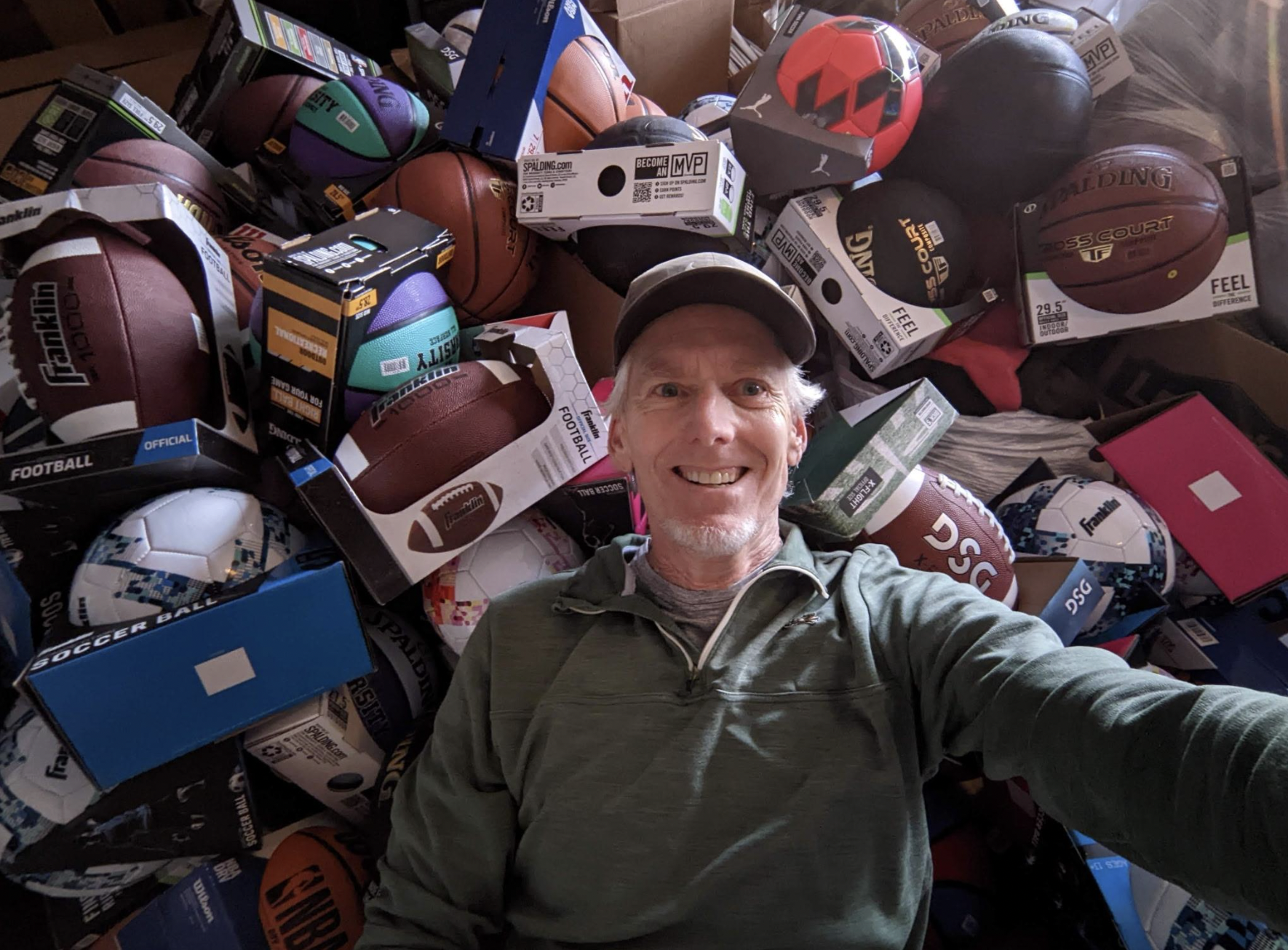
This Favorite Book Will Surprise You

Woody’s debut novel “The Butterfly Tree” is available at Amazon (click here), other online retailers, and orderable at all bookshops.

*

“What’s your favorite book?” I was asked the other day, a simple question that is calculus-difficult to answer.

Hemming a moment, I finally replied I would need to think about it. Now I have, long and happily, retreating a lifetime into memory back to my first favorite book that I checked out of the library myself, at age 5, “Where The Wild Things Are,” and then browsing forward through a hundred books that each merit a color in my rainbow of all-time favorites.

Scarlet or violet or gold or…?

“The Old Man and the Sea” or “The Grapes of Wrath” or…?

I decided to reframe the conundrum to: What is my favorite book I own? My answer, without question, will surprise you.

Let me begin by sharing a handful of contenders that share a shelf of honor in my Favorite Books Bookcase. This includes the full collection – three novels, four short story collections, one children’s book – by my all-time favorite writer, with no apologies to John Steinbeck: my daughter, Dallas.

Proving truth in the aphorism to not judge a book by its cover, monetarily the most valuable book I own has a hardback front and back that only a mother – or perhaps great-great-grandmother – could love, for it looks like gaudy red-pink-gold-green-and-white patterned wallpaper from the 19th Century. The spine, however, of rich brown leather with gilt lettering tells a different tale: “Adventures of Huckleberry Finn.” It is a first edition, second issue (with a few corrections) published in 1885.

Ol’ Huck is not the oldest book on my special shelf. That honor, by a mere year, goes to a poetry collection titled “Red Letter Poems.” It is a handsome illustrated edition with a white leather cover protecting 647 gilt-edged pages, but its true value is in having been passed down on my mother’s side of the family.

And yet the favorite book of poetry I own is small and slim, at just 20 pages, with a cover that looks like it was once left outside through a full winter. No matter, “From Snow To Snow” by Robert Frost is dear to me because a college class studying the four-time Pulitzer Prize winner’s works partially inspired me to become a writer. Further making this 1936 first edition, first printing, all the more dear is the pencil signature inside, dark and clear, albeit a little shaky, in the author’s hand.

Nonetheless, my most-prized Pulitzer honoree’s signature is on the title page of “The Sporting World of Jim Murray” – “Keep swinging! Jim Murray” he penned – that I found in a used bookstore in Twentynine Palms for all of $6.50 according to the penciled price inside the cover. That was in 1982, my rookie year in journalism, and a few years before I would meet my sportswriting hero in person in a press box.

Even more precious, even though it is unsigned, is a 1936 edition of “Roget’s Thesaurus of English Language In Dictionary Form.” The dirty-red, well-worn cloth cover is nothing to look at – until you take a closer look. In the lower right corner, imprinted in small gilt letters, it reads JIM MURRAY and was gifted to him by Roget’s.

Making this Thesaurus more cherished – also: loved, beloved, precious, special – is that Jim’s widow gifted it to me in honor of his and my friendship.

Indeed, being gifts is a theme that makes a handful more books in my Favorite Books Bookcase truly priceless to me – none more so than my surprising answer as my No. 1 fave, which I will reveal in this space next week.

An Unknown Hero Among Heroes

Woody’s debut novel “The Butterfly Tree” is available at Amazon (click here), other online retailers, and orderable at all bookshops.

* * *

Today being the Fourth of July, it seems fitting to share a column about a hero from my Star archives from a decade ago…

*

For the first five days of August, I was in the august company of heroes in our nation’s capital.

Heroes like astronauts John Glenn and Neil Armstrong, and earlier fliers like Charles Lindbergh and the Wright Brothers, all in the Smithsonian National Air and Space Museum.

Also men and women heroes interred in Arlington National Cemetery, a heartbreaking landscape that is ironically beautiful.

My tour of heroes further included monuments for those who served in World Wars I and II; the Korean War Memorial; and Vietnam Memorial Wall.

In the National Archives I peered at Founding heroes like Benjamin Franklin and John Hancock’s ornate signatures on the original Declaration of Independence.

And, of course, there are the marble heroes in the National Mall: George Washington, Thomas Jefferson, Abraham Lincoln, Franklin D. Roosevelt, Martin Luther King, Jr.

Yet the hero who arguably engraved the deepest impression upon me was one I encountered shortly after my late-night arrival when I boarded the train from the airport to my downtown D.C. hotel.

The first few minutes of the ride were quiet, sans the pleasant rhythmic sounds of the track below, when suddenly calm turned to clamor. A passenger two rows ahead of me – a tall, sinewy man in his 20s, bare arms covered with sleeve tattoos, electrocuted blond hair that made Einstein’s look tame – jumped from his seat like a jack-in-the-box and began shouting at a goateed man – about his same age, although shorter and stockier – seated across the aisle.

The goateed man apparently had said something to the mangy tattooed man’s equally unkempt dog. Quick as a hiccup, the two men were standing nose-to-nose as the tattooed man angrily cursed and challenged the goateed man’s manhood.

A young woman facing me across the aisle looked petrified. As the vile racial epithets from the crazed tattooed man intensified, I signaled with my eyes that we should slip out the door at the next stop.

Just then – THUMP! – the goateed man landed a solid punch to the jaw and – THUMP! THUMP! – a second and third blow. Frankly, Gandhi might not have blamed him at this point. Remarkably, the tattooed man’s large dog remained nonviolent.

Before another punch could be thrown, or a weapon pulled out, a bald-headed man sitting with his back to the fray bolted from his seat, spun 180 degrees into the aisle in one fluid motion, took four strides in two blinks, and seized the goateed man from behind. It was as if Batman happened to be aboard the Metro Blue Line.

Sitting beside his gray-haired wife, the bald-headed man, wearing peach slacks and a white sweater, had seemed as unimposing as Bruce Wayne. Rising into action, the human Teddy bear came into focus like a grizzly – or a former NFL linebacker or retired Marine sergeant.

“Knock it off!!! Now!!!” the bald-headed man commanded fiercely with multiple exclamation marks. “Get out of here!!! Now!!! Before you get arrested!!!”

Having stepped between the two combatants, the bald-headed man assumed the wide-footed stance of a heavyweight boxer and slowly and deliberately backed the goateed man towards the closed exit.

At the next stop, the goateed man retreated out the door with haste; the tattooed man and his dog also departed; the bald-headed man returned to his wife’s side; and the rest of us passengers finally exhaled.

When my stop came, I used the exit door further from me but nearer the bald-headed man.

“Thanks,” I said, shaking his hand. “You’re a hero.”

He smiled, humbly, but his wife’s proud smile was as oversized as John Hancock’s “John Hancock.”

* * *

Essay copyrights Woody Woodburn

Woody’s debut novel “The Butterfly Tree” is now available in paperback and eBook at Amazon (click here), other online bookstores, and is orderable at all bookshops.

*

Woody writes a weekly column for The Ventura County Star and can be contacted at WoodyWriter@gmail.com. Follow him on Twitter and Instagram at @woodywoodburn.

Sticky, Sweaty, Sleepless, Sublime Nights

Woody’s award-winning debut novel “The Butterfly Tree” is available at Amazon (click here), other online retailers, and orderable at all bookshops.

*

In the summertime, in my boyhood, in Ohio, humid nights sometimes refused to cool down much from the sunburned daytime making falling asleep next to impossible.

Pop, despite Mom’s pleas, refused to get air conditioning. He also refused to buy electric fans, despite the whining of us four kids, because he was convinced at least one of us would poke a finger through the wire cage guard into the whirling blade and he would have to rush us to the E.R. and personally sew the tip back on.

On the muggiest nights, when our pajamas clung to us like we had the flu and 102-degree temperatures, my siblings and I – and sometimes Mom, but never Pop who apparently could have fallen asleep in a steamy tropical rainforest – would peel off our PJs down to our BVDs and migrate downstairs to the dining room because it had floor-length windows that let in the softest whispers of a breeze. Lying next to the open windows we camped restlessly atop open sleeping bags.

As miserable as those sweltering sweaty sticky sleepless nights were, it’s funny how they are among my cherished memories – “marble-in-a-jar” remembrances, to borrow from last week’s column. In my mind’s eye and ears, I can still see and hear my two older brothers, bookended on either side of me, telling ghost stories and cracking jokes until our little sister would decide the jungle heat upstairs was preferable and left us alone to our tomfoolery. Eventually, of course, our laughter became snoring.

I was reminded of these miserably marble-ous memories after a similarly sleepless sultry night recently at my daughter’s home in the Bay Area. The guestroom, on the first floor and east facing, is generally so comfortably cool I cannot recall ever not needing a blanket even in summertime.

Not this time.

Opening the sliding glass door would have solved the problem for while the day had been hot, the evening cooled down very pleasantly. Alas, the house security alarm was turned on and I did not wish to wake my daughter or son-in-law to deactivate it; they had long earlier gone to bed, as is demanded when you have two young kids who rise and shine before the sun does.

Remarkably, my warmhearted Much Better Half, who favors a thermostat setting of “Igloo,” fell fast asleep in the sweat lodge-like heat as if sprinkled with fairy’s dream dust.

Unremarkably, in the wee hours I had to go to the bathroom – which proved to be a big relief in two ways, because in the hallway I was greeted by temperatures as cool as a TikTok influencer. Returning to bed, I left the guestroom door ajar to let the wintermint air drift in and said hello to dreamland.

Not so fast.

Moonlight now also sliced in through door crack, bright enough to be bothersome. No matter, I turned facing away and shut my eyes tight and…

tick-tock Tick-Tock TICK-TOCK!

A wall clock in the nearby family room, unnoticeable during the noisy busyness of daytime, in the lonely quiet hours echoed like a pickleball match. It was water torture to the ears, and then…

snore Snore SNORE!

It would be kind to describe it as a soft humming lullaby, but in truth the snoring was as loud and unmelodious as three young brothers cracking jokes on a hot summer’s night.

I was about to nudge Sleeping Beauty awake when it struck me that she was drowning out the far more annoying clock. Suddenly, I appreciated her snoring as a familiar lullaby indeed and drifted happily to sleep.

* * *

Essay copyrights Woody Woodburn

Woody’s new novel “The Butterfly Tree” is now available in paperback and eBook at Amazon (click here), other online bookstores, and is orderable at all bookshops.

*

Woody writes a weekly column for The Ventura County Star and can be contacted at WoodyWriter@gmail.com. Follow him on Twitter and Instagram at @woodywoodburn.

Summertime is Marble in a Jar Time

My debut novel “The Butterfly Tree” is available at Amazon (click here), other online retailers, and orderable at all bookshops.

* * *

Today, June 20, is the first day of summer so this column from my Star archives seems fitting…

*

This may come as a surprise to readers of this space, but I am not losing my marbles. To the contrary, I am gaining them.

For this I owe my great gratitude to a teacher who interrupted his discussion of Shakespeare’s “A Midsummer Night’s Dream” one long-ago spring afternoon and shared a personal story.

A philosophy, really.

Mr. Hawkins explained he kept a large pickle jar on his dresser and every time something wonderful happened in his life he dropped a marble inside. Smooth pebbles, sea glass, or shiny pennies would also suffice, he noted. His goal was to fill the jar, and hopefully a few more, during his lifetime. The marbles themselves were not the real treasure, however – the act of noticing each special moment was.

All these years later, I can quote by memory only two lines from that Shakespeare play – “Lord, what fools these mortals be!” and “Though she be but little, she is fierce” – but I still collect a rising tide of sea glass and marbles. In doing so, I have come to notice something: summertime is marble time.

As my wise fifth-grade teacher importantly emphasized, something need not be a monumental pinch-me event – hitting a home run, stealing a first kiss, earning a diploma, winning an award – to merit a marble. In fact, oftentimes the simple pleasures are much deserving.

Simple summer pleasures such as…

Gazing at the stars that always seem brighter on a warm midsummer’s night.

A sweet summer romance.

Catching fireflies, catching frogs, catching “running” grunion in the midnight moonlight.

Running in the sprinklers, running your first marathon or fastest 5K, running after an ice cream truck.

Enjoying a Popsicle or ice cream cone that tastes better – and colder – on your tongue on a hot summer afternoon.

Sleeping in a tent, be it in the backyard for a slumber party or on a camping trip.

Visiting any National Park – or ballpark, be it Major League or Little League.

Hiking in Yosemite Valley or the trails of Ventura’s Harmon Canyon.

Climbing Mount Whitney or climbing a tree more lovely than a poem.

Writing a poem about a marble moment.

Skinny dipping in a pond for the first time – or most recent time.

Wine tasting, pub crawling, beach walking.

Spending an afternoon wading in the tide pools, collecting seashells and sea glass, building a sandcastle.

Visiting one of the Channel Islands.

Watching – really watching – a Pacific sunset more beautiful than anything in the Louvre.

Going fishing, even if you bring home nothing more than a sunburn, a smile, and a tall tale about the one that got away.

Teaching your son or daughter to ride a two-wheeler – doesn’t this always happen during the summertime?

Daydreaming while gazing off the Ventura Pier.

Spending a week at your grandparents’ home and hearing stories about what your dad (or mom) was like as a young boy (or girl).

Flying a kite with your grandchild.

Attending your high school reunion or revisiting old memories with a college friend.

A backyard barbecue with friends is always better in the summertime.

Playing outside until one of your parents hollers, for the third time, for you to come inside for the night.

An evening walk hand-in-hand with your spouse/girlfriend/boyfriend/child – or hand-in-leash with your dog.

Riding a merry-go-round or Ferris wheel at the fair with your child/girlfriend/boyfriend/spouse.

Watching Fourth of July fireworks.

A picnic with your favorite person in the world.

Be you 6 or 96, don’t be a mortal fool: make a point this summer to recognize – and savor – as many new marble moments as possible.

* * *

Essay copyrights Woody Woodburn

Woody’s new novel “The Butterfly Tree” is now available in paperback and eBook at Amazon (click here), other online bookstores, and is orderable at all bookshops.

*

Woody writes a weekly column for The Ventura County Star and can be contacted at WoodyWriter@gmail.com. Follow him on Twitter and Instagram at @woodywoodburn.
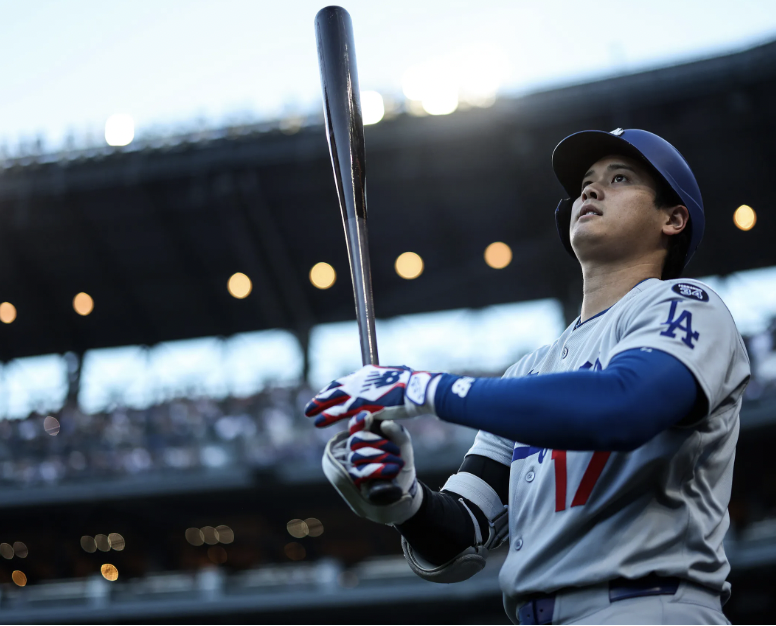
Dadvice for Father’s Day

Woody’s new novel “The Butterfly Tree” is available at Amazon (click here), other online retailers, and orderable at all bookshops.

*

Father’s Day cards will be opened two days hence, so it seems apropos to share a Hallmark-worthy thought from Mark Twain who famously observed: “When I was a boy of fourteen, my father was so ignorant I could hardly stand to have the old man around. But when I got to be twenty-one, I was astonished at how much he had learned in seven years.”

More recently, classical pianist Charles Wadworth, who died two weeks ago at age 96, once expanded on Twain’s quip: “By the time a man realizes that maybe his father was right, he usually has a son who thinks he’s wrong.”

Or daughter.

Barry Kibrick, an Emmy-winning TV host on PBS, once insightfully told me of raising his two sons: “I never worried about over-praising them and building up their self-esteem too much because there are plenty of people in the world who will try to tear them down.”

Author Jan Hutchins had a similarly wise dad, sharing: “When I was a kid, my father told me every day, ‘You’re the most wonderful boy in the world, and you can do anything you want to.’ ”

Clarence Budington Kelland, a 20th century novelist who once described himself as “the best second-rate writer in America,” made a first-rate compliment about his own father: “He didn’t tell me how to live; he lived, and let me watch him do it.”

Best-selling essayist Robert Fulghum put it this way: “Don’t worry that your children never listen to you; worry that they are always watching you.”

American inventor Charles Kettering likewise advised, “Every father should remember: one day his son will follow his example, not his advice.”

With attribution unknown comes this pearl: “One night a father overheard his son pray: ‘Dear God, Make me the kind of man my Daddy is.’ Later that night, the father prayed, ‘Dear God, Make me the kind of man my son wants me to be.’ ”

The rock band Yellowcard offers this lovely lyric about the power of a dad as a role model: “Father I will always be / that same boy who stood by the sea / and watched you tower over me / now I’m older I wanna be the same as you.”

Hall of Fame baseball player Harmon Killebrew apparently had a Hall-of-Fame Dad, the son recalling: “My father used to play with my brother and me in the yard. Mother would come out and say, ‘You’re tearing up the grass.’ Dad would reply, ‘We’re not raising grass – we’re raising boys.’ ”

A great attitude for Girl Dads as well, naturally.

Speaking of little girls, John Mayer strikes the perfect chord with these lyrics: “Fathers, be good to your daughters. You are the god and the weight of her world.”

Getting further to the heart of the matter, John Wooden, who believed “love” is the most important word in the English language, opined: “The most important thing a father can do for his children is to love their mother.”

From another basketball coach, the late Jim Valvano: “My father gave me the greatest gift anyone could give another person – he believed in me.”

Wayne Bryan, father of doubles legends Mike and Bob who are even better people than they are tennis players, advises parents: “Shout your praise to the rooftops and if you must criticize, drop it like a dandelion. On second thought, don’t criticize at all.”

In closing, this home-run thought from Hall of Fame singles hitter Wade Boggs: “Anyone can be a father, but it takes someone special to be a dad.”

* * *

Essay copyrights Woody Woodburn

Woody’s new novel “The Butterfly Tree” is now available in paperback and eBook at Amazon (click here), other online bookstores, and is orderable at all bookshops.

*

Woody writes a weekly column for The Ventura County Star and can be contacted at WoodyWriter@gmail.com. Follow him on Twitter and Instagram at @woodywoodburn.
Lovely ‘Poem’ Turned Into Woodchips

Woody’s new novel “The Butterfly Tree” is available at Amazon (click here), other online retailers, and orderable at all bookshops.

From Woody’s column archives, spring 2013, evoked by recently seeing a fallen tree…

*

A century and change ago, Joyce Kilmer penned “Trees” with one of the most widely familiar opening couplets in America poetry:

I think that I shall never see / A poem lovely as a tree.

The other morning I gazed out my window and across the street as a lovely “poem” got sawed down, cut up, turned into woodchips, and trucked away. It was like witnessing a theatrical street version of Shel Silverstein’s classic children’s book “The Giving Tree” starring two workmen in white hardhats and optic-yellow vests.

Actually, this story was even sadder for this tree’s limbs would not be used to build a house for the grown boy; its trunk not crafted into a boat to sail the seas. When the workmen’s work was finished, there remained not even a stump to sit and rest upon.

This tree had soared majestically, perhaps 70 feet into the clouds, tall and leafy, with a trunk too thick to reach one’s arms around. Alas, it had become a botanical Leaning Tower of Pisa, cracking and raising a section of sidewalk and in danger of falling across a busy street.

And so at 9 a.m. on a May gray day, a whining chainsaw made the morning more leaden. Standing in the basket of a gargantuan cherry-picker, a workman amputated the large branches one by one by one as he hydraulically rose higher Higher HIGHER.

Far below, the felled branches were cut into manageable lengths and fed into a woodchipper roaring loud as a jet engine. Lines of a lovely “poem” went in, lousy mulch came out.

Lastly, the towering tall barren trunk came down, made not into long lumber for a home or boat, but into short logs to be burned in fireplaces. This was not a heartwarming thought.

Start to finish, what had taken many decades of the four seasons to become living poetry was erased in a less than four hours. It was tree-mendously sad.

Kilmer again: A tree that may in summer wear / A nest of robins in her hair.

No more birds will nest in the lovely tree I used to admire out my kitchen window, looking east, the sun lifting above it in the late mornings of springtime.

The melancholy event gave me pause to think about a handful of memorable trees from my life: the evergreen beside the driveway of my earliest boyhood home that my two older brothers and I attempted blind shots over while playing H-O-R-S-E; the sturdy buckeye, near a swimming pond, with a hanging rope we swung on like Tarzan; the apple tree I picked snacks from on a shortcut home from grade school; the orange tree my two then-young kids and I planted; the giant redwoods we saw, in awe, as a family; and on and on.

I think “poems” fill our lives more than we often realize. We draw trees in kindergarten and as older kids climb trees and hopefully one day we plant a tree in deference to this Greek proverb: “A society grows great when old men plant trees whose shade they know they shall never sit in.”

Kilmer once more: Poems are made by fools like me, / But only God can make a tree.

Afterwards, this curious fool sought to determine how old the tree had been by counting its rings, but the stump was cut off below ground level and covered with dirt.

I may be overestimating by half, but I like to imagine this poetic tree had sprouted in 1913 – the same year “Trees” came into the world.

* * *

Essay copyrights Woody Woodburn

Woody’s new novel “The Butterfly Tree” is now available in paperback and eBook at Amazon (click here), other online bookstores, and is orderable at all bookshops.

*

Woody writes a weekly column for The Ventura County Star and can be contacted at WoodyWriter@gmail.com. Follow him on Twitter and Instagram at @woodywoodburn.