Column: Trick-or-Treat thoughts

Trick-or-Treat Costs Arm and Leg

 In case it has been sneaking up on you, there are only six shopping days remaining . . .

. . . until Halloween.

Somewhere over the past few decades trick-or-treat has become the warm-up act for Christmas. To give you an idea, the National Retail Federation estimates Americans will spend $350 million on Halloween costumes this year.
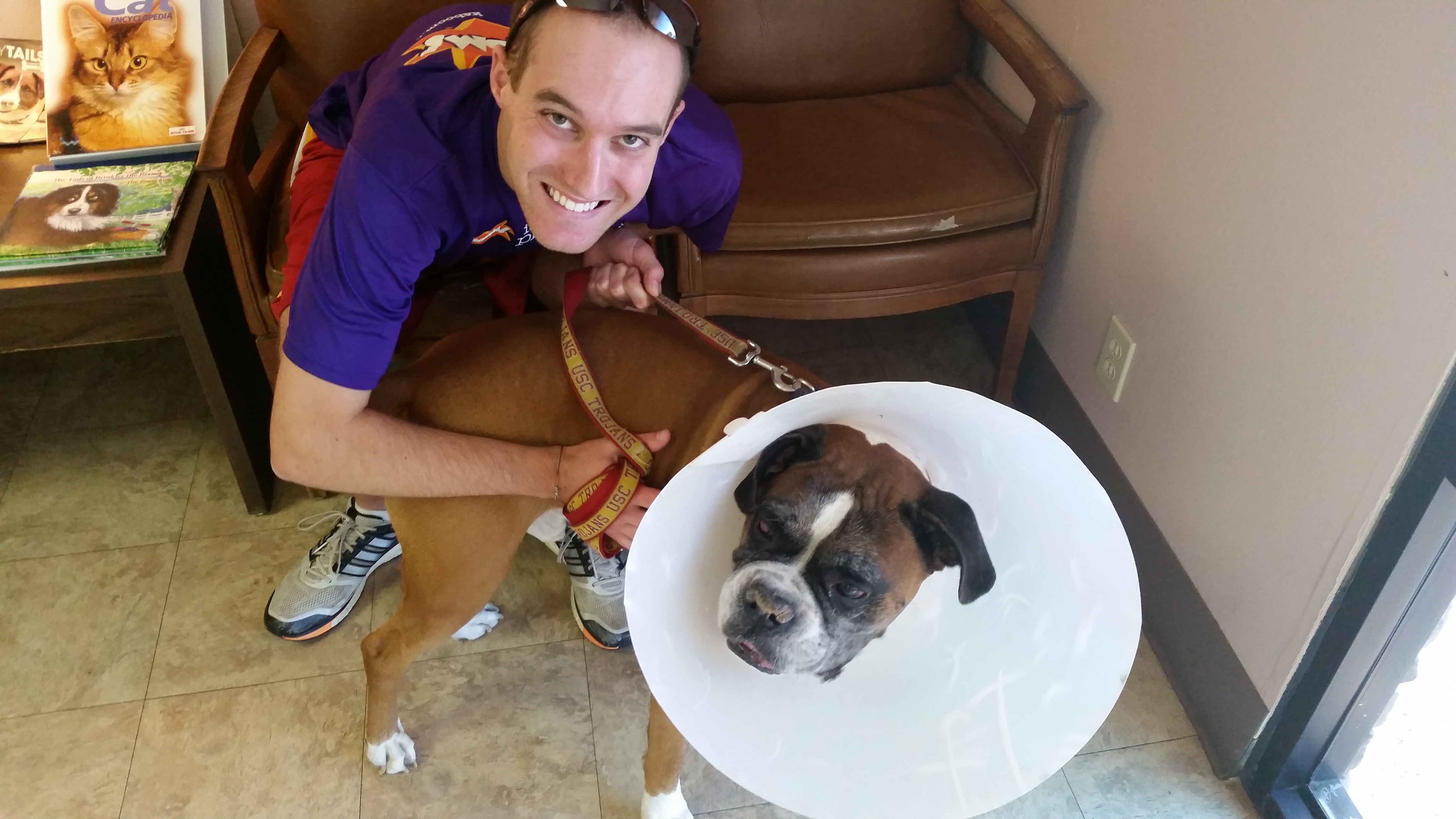
Murray as a DISH TV satellite dish (sort of).

Murray as a DISH TV satellite dish (sort of).

Clarification: that’s $350 million on costumes for their pets!

For humans, the projected figure is $7.4 billion for costumes, candy and decorations. Candy alone will run $2 billion – and that doesn’t include dental bills six months down the road.

As far as pets go, I will spend the same amount on my dog Murray – an adorable boxer named in honor of the Pulitzer Prize-winning writer Jim Murray – that my parents used to spend on my siblings’ costumes and mine: zilch.

Back in the 1960s, kids made costumes out of boxes and paint, old clothes and sheets, this and that, all mixed with imagination. I’m not even sure you could buy a manufactured costume back then; I don’t think I ever saw a friend or classmate wearing one.

Today the most popular costumes come off store shelves – and off the silver screen. For girls, Elsa from “Frozen” reigns No. 1 according to the NRF while “Teenage Mutant Ninja Turtles” Donatello, Rafael, Michelangelo and Leonardo collectively top the list for boys.

For adults, one of this year’s hot costumes is expected to be Ebola – not people dressed like the wormy virus but instead wearing containment suits.

Instead of sterile costumes from a box, here are some outside-the-box Halloween outfits I’d like to see come knocking on my door next Friday evening:

All the election signs throughout Ventura County dressed up as recycled trash.

Patagonia founder Yvon Chouinard dressed as Administrator of the U.S. Environmental Protection Agency.

SoCal weather dressed up as rainy Seattle; our brown lawns costumed as a PGA putting green; our citizens dressed up as the Morton Salt Girl.

The iPhone6 Plus dressed up as a rotary rPhone1960.

Dodgers ace Clayton Kershaw in a postseason game dressed like Sandy Koufax.

Kobe Bryant dressed up in a Lakers playoff jersey without crutches.

The Los Angles Kings dressed up in their old purple-and-gold sweaters with a crown on the chest for the entire season.

The Scratch food truck as the Partridge Family bus.

Camarillo’s Mike and Bob Bryan, tennis’ all-time winningest “Dynamic Duo,” dressed as Batman and Robin even though they will probably have one of their trademark brotherly battles over who gets to be Batman.

Firemen, nurses, cops and teachers dressed up as Justice League heroes like Superman, Wonder Woman, Flash and Green Lantern.

An NFL team dressed up as Los Angeles’ home squad.

Roger Goodell dressed up as the former Commission of the NFL.

My Venturan friend Ken McAlpine, who has written a new thriller novel “Juncture,” dressed up as a New York Times bestselling author.

Jeff McElroy, another friend and author of the surf noir short-story collection “Californios,” same as above.

My dad as the grandpa in the comic “Pickles” and my son as Jeremy in “Zits.”

Congress dressed up with “Will Work For Food” signs.

Oscar-winning Actress Renee Zellweger dressed in a mask of how she used to look.

Malala Yousafzai, the Pakistani teenager who was shot in the head by the Taliban before becoming the youngest Nobel Peace Prize winner in history, dressed as the President of the United Nations General Assembly.

Venturan Erin Prewitt, a role model an advocate for forgiveness after her husband Chris was hit and killed by a drunk driver, dressed as Malala Yousafzai.

The Kickstarter campaign at local DATA Middle School to fund painting of a “Make it a Great Day” 50-foot mural on campus that celebrates the spirit of former assistant principal Chris Prewitt, dressed up as a fully funded success. (Info: click here )

Lastly, my dog Murray as a DISH TV satellite dish by wearing the veterinary cone he needed when he had eye surgery a few months ago.

*   *   *

Woody Woodburn writes a weekly column for The Ventura County Star and can be contacted at WoodyWriter@gmail.com.
Wooden&Me_cover_PRCheck out my new memoir WOODEN & ME: Life Lessons from My Two-Decade Friendship with the Legendary Coach and Humanitarian to Help “Make Each Day Your Masterpiece”

Column: At Home in Ireland

Feeling Home in Distant Land

This is the final of four columns in a series on my recent travels to Ireland.

*  *  *

In 1792, at age 14 – while claiming to be 18 in order to board a ship bound for America – James Dallas sailed out of Ireland’s Cork Harbor seeking a new life, likely never again to see his Old World loved ones.

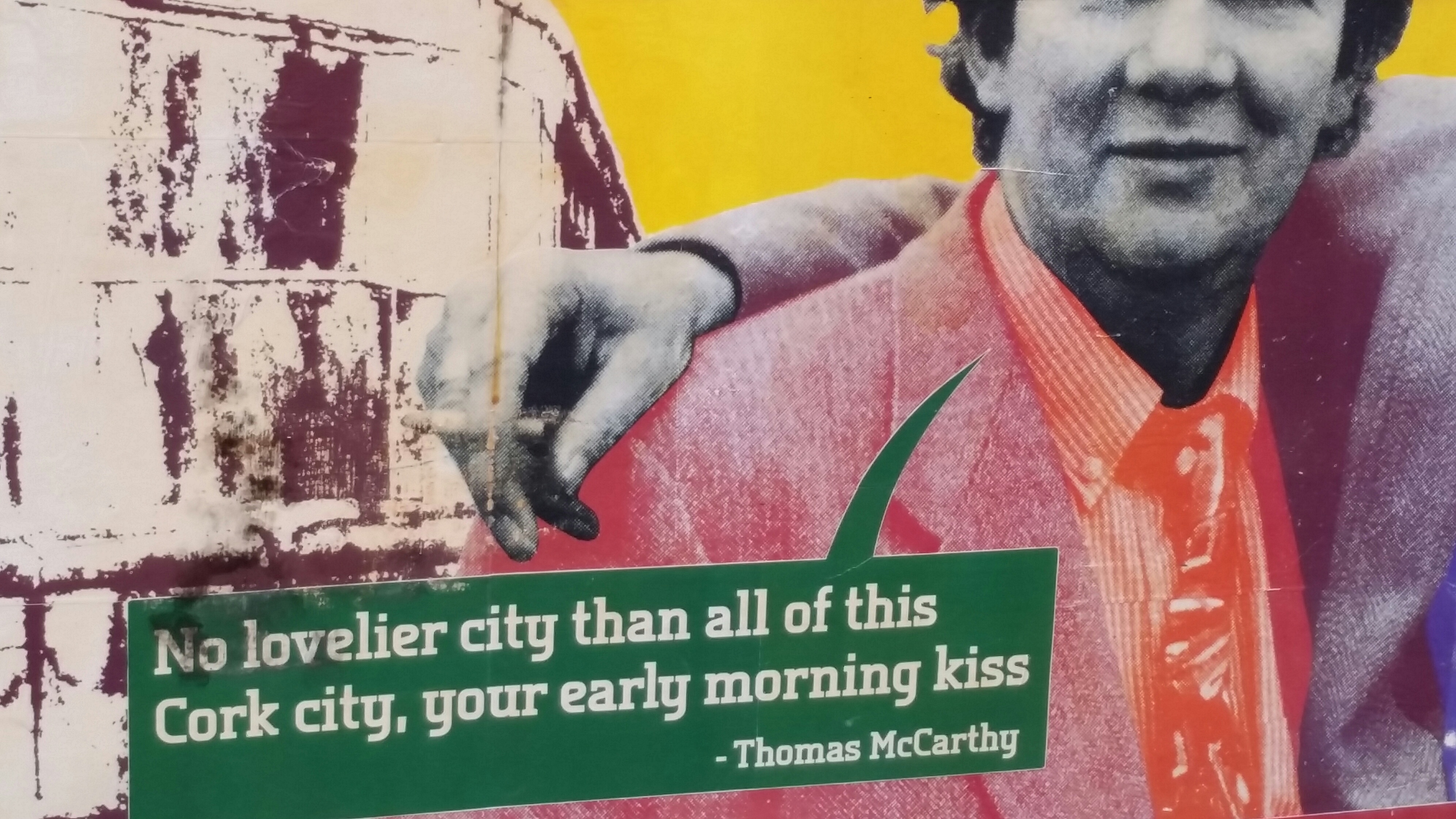
1-corkbillboard

A billboard honoring poets in lovely downtown Cork.

Nearly two and a quarter centuries later, I marvel at my great-great-great-grandfather’s hardihood.

James Dallas is the earliest documented branch of my family tree. Visiting his homeland has long beckoned me.

My roots grow deep in the fertile soil near Ohio’s Mad River where James Dallas settled. The next four generations, beginning with my great-great-grandfather John Woodburn (who married James Dallas’ daughter), remained nearby until my dad moved our family to Ventura four decades ago.

Heritage is dear to me: my son’s middle name is Ansel, in honor of his great-grandfather; my daughter’s first name is Dallas. Thus, my summer fortnight in Ireland, and especially five days spent in ancestral County Cork, promised to be a trip for the ages.

Flying 12 hours to London and two more to Dublin, before taking a three-hour train ride to Cork seemed an arduous journey. Yet I could not help think how embarrassingly easy this was compared to weeks at sea in an 18th century ship.

In a movie, I would have arrived in Cork and taken a taxi to a farmhouse, knocked on the front door and been greeted with open arms by a distant blood relative. Real life, of course, is rarely so Hollywood.

For starters, where would I possibly knock?

When asked about the surname “Dallas,” tour guides, locals and even a historian in the Cork City Central Library did not recognize it as Irish. It was suggested the Gaelic name “Dalgash” might have been anglicized upon arrival to the New World.

On a nine-hour bus tour of bucolic southern Cork, our guide/professor Dan O’Brien spent an hour expounding on dairy farming. It was an invaluable lecture.

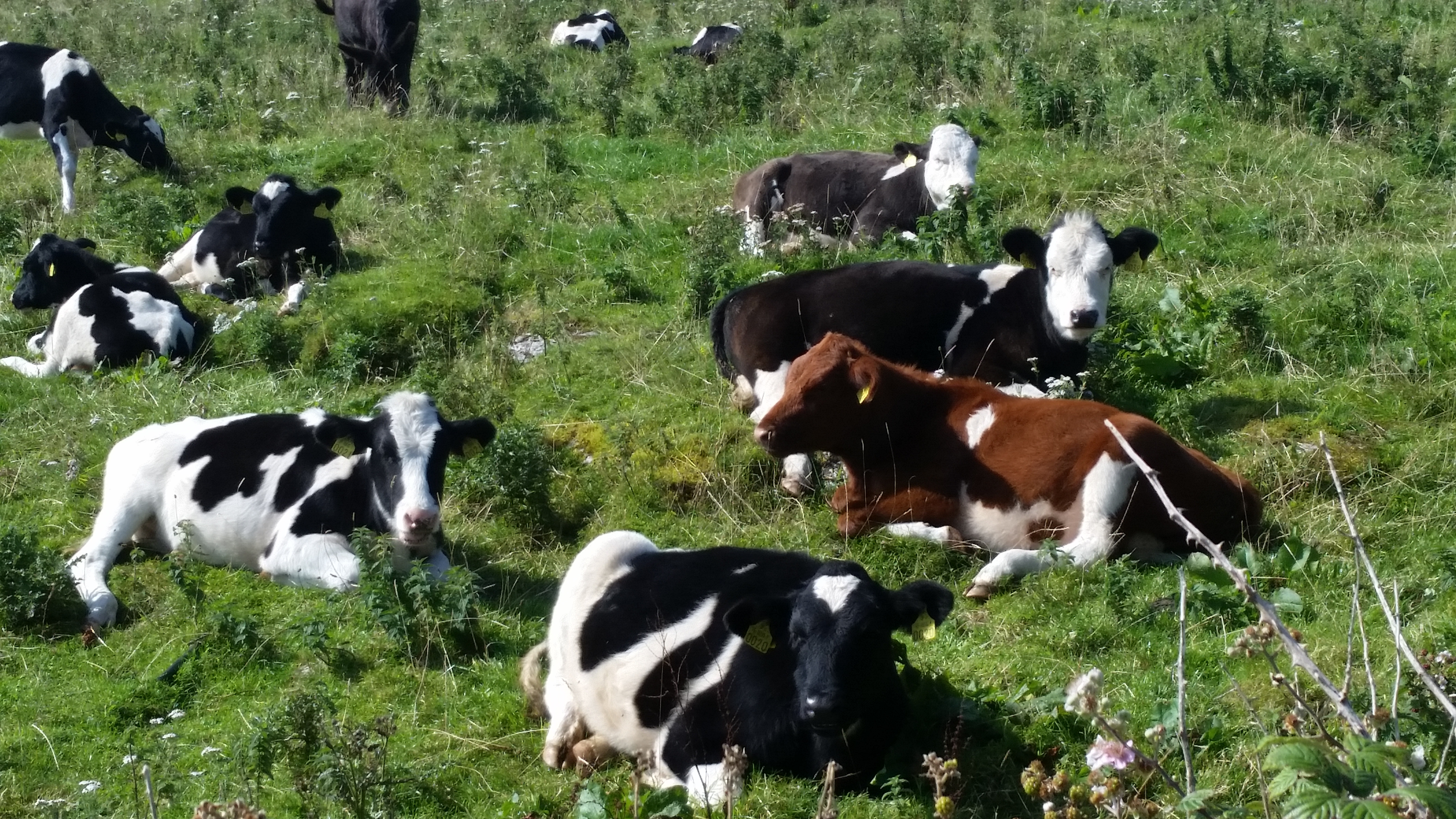
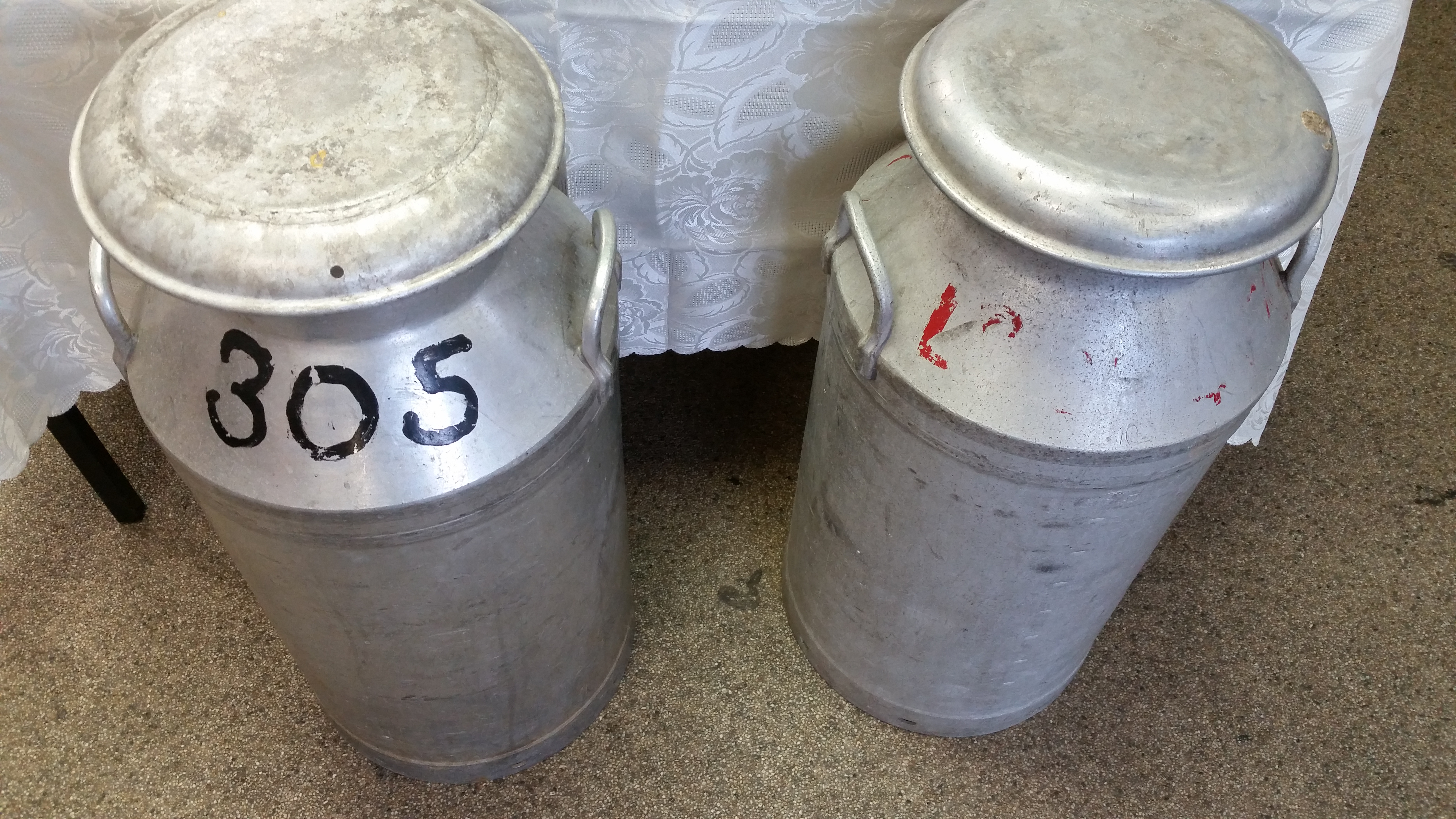
Dairy cows dot the County Cork landscape -- and milk cans are common as well.

Dairy cows dot the County Cork landscape — and milk cans are common as well.

1-milkcan

Importantly, I learned that dairy farming was “the jewel of the crown” in Cork in the 1700s and 1800s. In fact, Port of Cork was the world’s leading exporter of butter. So it makes perfect sense James Dallas was a dairy farmer.

Making sense of why he left Ireland may be answered by the question in this lyric from an old Irish folk song: “Was it poverty or the call of adventure?”

Likely, both. Three decades of economic difficulty preceded James Dallas’ emigration. Add to this a system of powerful landlords and hardscrabble tenant farmers, and perhaps as much as fleeing hardship James Dallas was running to adventure in America and the opportunity of land ownership.

Gazing out the tour bus window at farm after farm, cows after cows, mile after mile, I wondered if against all odds I was at one moment looking at James Dallas’ boyhood pasture. As Hemingway wrote in “The Sun Also Rises”: “Isn’t it pretty to think so?”

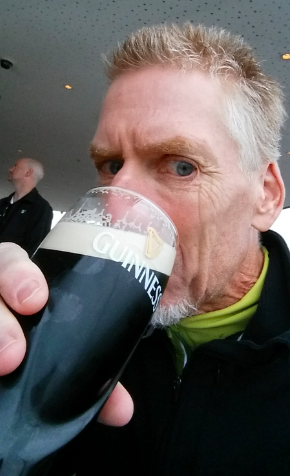
Two more pretty thoughts: strolling through historic English Market Cork it came easy imagining James Dallas once shopping here; visiting Guinness Brewery, established in 1759, I could not help but picture my forebearer, even at age 14, drinking a pint of the legendary black stout.

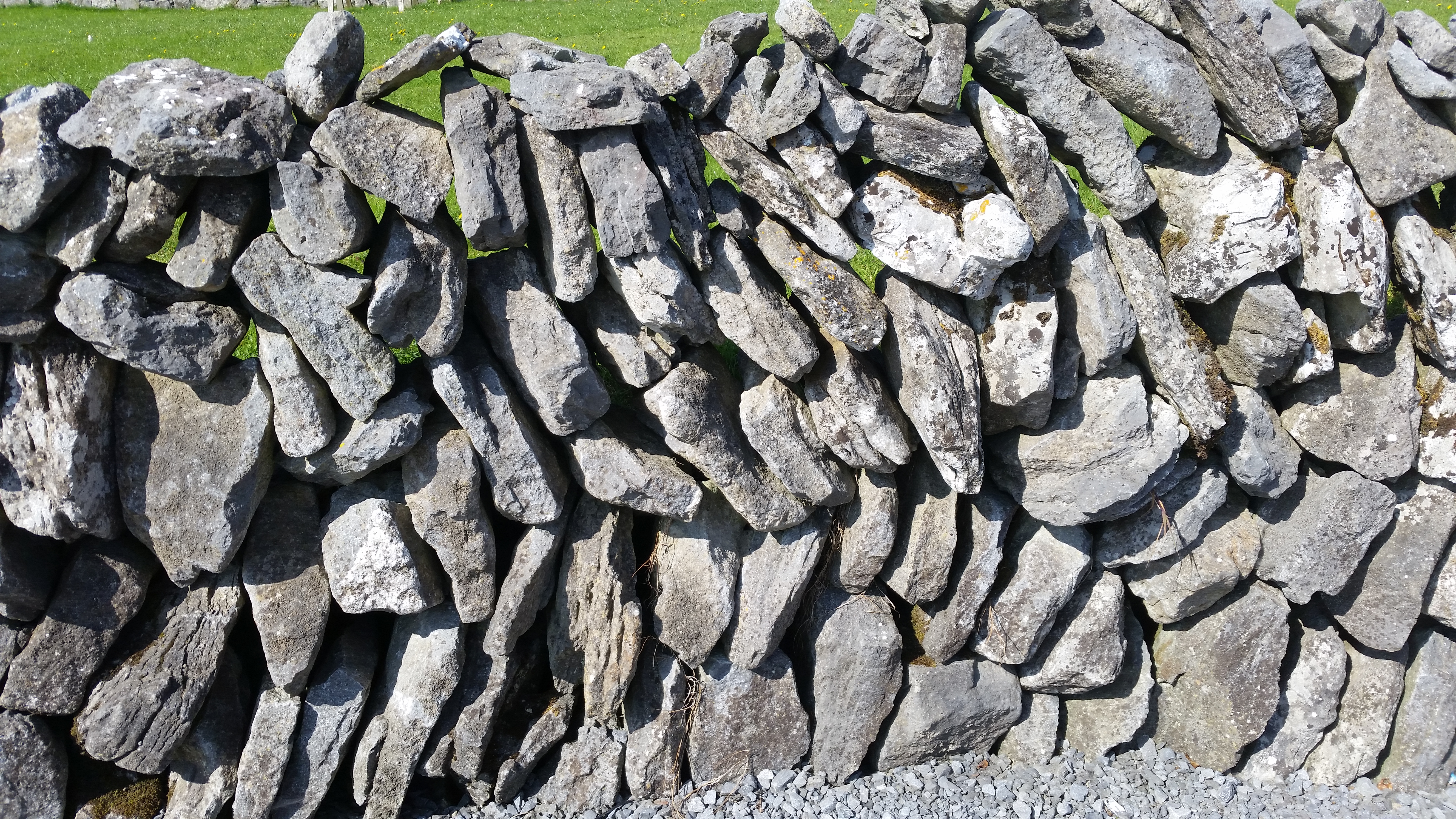
An example of a very old stone fence still standing despite no mortar.

An example of a very old stone fence still standing despite no mortar.

One more prettiness: Hearing Irish accents and pronunciations, like the silent “h” in “th” – tirty, tousand, tirsty – I wondered if James Dallas carried the lilt of a leprechaun.

Prior to arriving in Ireland, James Dallas, born 182 years before I was, had seemed less a real person and more a painting faded a tousand years. But in the context of this ancient land where farmhouses are routinely a century old or more; stone fences built masterfully without mortar stand 300 years later; and castles date back half a millennium, time collapsed and I suddenly felt a closer connection.

Spiritually, I felt his presence.

The day I arrived in Cork a small sign above a house doorway caught my eye – and heart: “Welcome Home.” It brought to mind a poetic thought by Maya Angelou: “When you leave home, you take home with you.”

Traveling to Ireland, I felt this true. Returning to America, I felt it equally.

*   *   *

Woody Woodburn writes a weekly column for The Ventura County Star and can be contacted at WoodyWriter@gmail.com.

Wooden&Me_cover_PRCheck out my new memoir WOODEN & ME: Life Lessons from My Two-Decade Friendship with the Legendary Coach and Humanitarian to Help “Make Each Day Your Masterpiece”

Column: Splendid Irish People

Ireland takeaway: Splendid People

Third in a four-column series on my recent travels to Ireland to explore my distant family roots and much more.

*

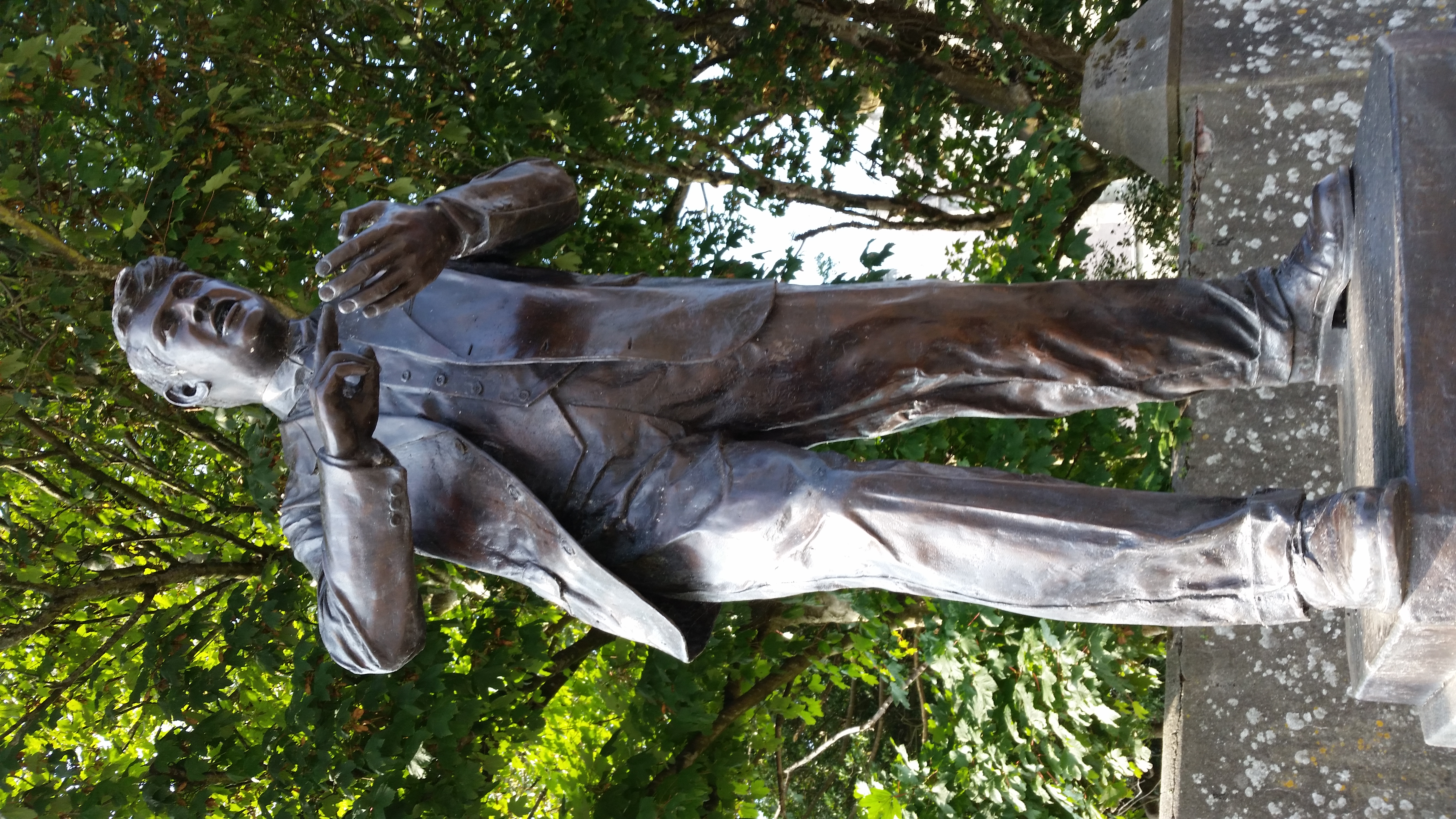
            In the southern Irish town of Clonakilty, a plaque below a statue of famed patriot Michael Collins bears the final entry in his diary from August 21, 1922, the day before he was assassinated: “The People Are Splendid.”

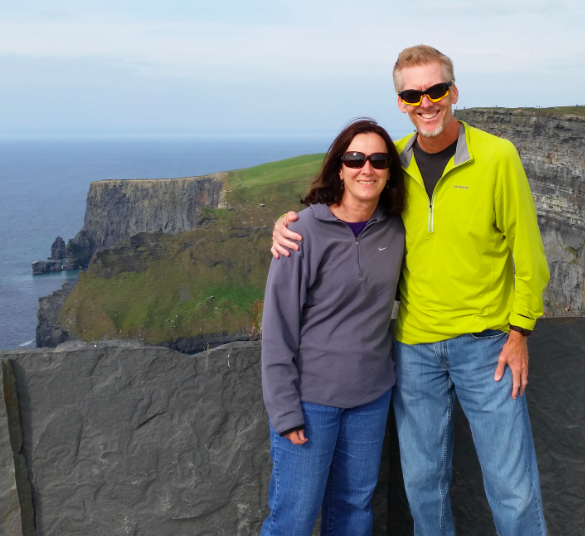
Lisa and I at the breathtaking Cliffs of Moher.

Lisa and I at the breathtaking Cliffs of Moher.

During my wife’s and my recent fortnight in Ireland those words proved emblematic. The people we met were splendid, indeed.

And, in deed, from journey’s start to finish. Wheeling our suitcases in downtown Dublin the night we arrived we got lost looking for our hotel. Struggling with a map and double-checking street signs we must have looked pitifully confused even for tourists.

Suddenly four people jaywalked over to ask if we needed help. Instead of offering directions, they walked us to the hotel. A similar kindness later happened when we arrived in Limerick.

Yes, time and again the Irish made even famously amiable Midwesterners seem grouchy by comparison.

At St. James’s Gate Guinness Brewery, Jenny, a lovely young woman whose accent was as thick as she was thin, took a full 10 minutes to ring us up in the gift shop because she was so busy conversing. Learning we were headed to County Cork, her hometown and the land of my distant family roots, she told us about a hidden gem of a café – and drew a map – where we “must” have an authentic Irish breakfast.

In Cork City, the taxi ride from the train station to our hotel proved unforgettable not just because our driver spoke even faster than he drove but because he turned down a tip. I insisted; again he refused, saying warmly: “You paid me fairly. Have a brilliant time!”

Another brilliant example of Irish kindness occurred during a tour of Old Galway City in an open-top double-deck bus. At a stop midway out, two middle-aged women stepped on thinking it was a public bus. Told it was not, they asked where they could catch one because their friend was waiting for them at the city square.

“I’ll take you,” the bus driver cheerfully responded and refused to accept any fare.

Kissing "a tall, dark blonde in a gold dress."

Kissing “a tall, dark blonde in a gold dress.”

On the drive to Bunratty Castle our cabbie, Patrick Murphy – who was as perfectly Irish as his name suggests – patiently explained the native sport hurling. He also told me, with a wink to my wife, of a favorite nearby pub where I could have “an affair with a tall, dark blonde in a gold dress” while waiting for a return taxi.

This, he noted, is how locals order a Guinness in reference to the legendary stout’s ebony color and light head served in a trademark pint glass with a gold-leaf harp logo.

Over and again, we found that even more important than the places you visit are the people you meet. And not just the locals.

Our final night, Lisa and I went to a pub for dinner and surprisingly saw a familiar face. Seated alone was a man who had been on our Cliffs of Moher bus tour several days prior. We invited him to join us.

What a memorable ending to an unforgettable trip the evening became.

A French Canadian from Quebec, Jasan was originally a forestry engineer before switching careers a few years ago at age 60 to become a suicide prevention counselor and university professor on the subject.

The seeds for this fascinating life path detour were planted decades earlier.

About 30 years ago, when a temporary home was needed for an abandoned infant from Senegal in West Africa, Jasan, who is white and has never married, opened his home. Too, he opened his heart and soon legally adopted the boy.

Five years later, Jasan adopted not one more child in need, but eight 10- and 11-year-old girl refugees from Vietnam. The fact that three of his new daughters had relatives who had committed suicide eventually led Jasan into his new career.

“It makes me happy to help others,” Jasan, now a grandfather more than a dozen times over, shared.

Michael Collins was right: People are splendid.

*   *   *

Woody Woodburn writes a weekly column for The Ventura County Star and can be contacted at WoodyWriter@gmail.com.

Wooden&Me_cover_PRCheck out my new memoir WOODEN & ME: Life Lessons from My Two-Decade Friendship with the Legendary Coach and Humanitarian to Help “Make Each Day Your Masterpiece”

Unsigned paperbacks or Kindle ebook can be purchased here at Amazon
Column: The Path Less Traveled

Taking The Path Less Traveled

This is the second in a four-column series on my recent travels to Ireland to explore my distant family roots and much more.

*

CollinsStatue

Statue of Irish patriot Michael Collins

A dear friend of mine, a travel writer who has visited the four corners of the globe, always offers this reminder before I embark on a trip:

“Be sure to turn down a hidden alleyway or go inside a quiet doorway off the beaten path because that’s where you’ll find some of the most memorable experiences.”

During my recent fortnight in Ireland I again heeded Ken McAlpine’s wisdom. Hence, in addition to seeing the breathtaking Cliffs of Moher, historic Kilmainham Gaol prison and, of course, the famous Guinness Brewery, I also enjoyed some not-in-a-tour-guide-book experiences.

For example, during a scenic tour of County Cork our bus stopped at Emmet Square where we were greeted by a seven-foot statue of Clonakilty’s favorite son, Michael Collins. After learning about the founding father of the national self-determination movement who was assassinated in 1922, my wife and I went off to explore the town.

Artwork by Kevin Holland

Artwork by Kevin Holland

In an alleyway off the main street I came upon a small music shop. Inside at the back was a half-hidden stairway. I went up to explore. Instead of more handsome acoustic guitars and beautiful African drums, I found myself face to face with a mesmerizing oversized mask sculpture resembling Abraham Lincoln.

A second face was below Abe’s copper countenance – storeowner Mark Holland looked up from his bookkeeping and shared: “I love it, too. Every time I look at it I see it differently and draw a new feeling from it.”

Over the next half hour, while my wife wondered where I had wandered off, I learned that the artist who created the mask – it was anonymous, by the way, not of Lincoln – was Mark’s brother, Kevin.

For good reason the mask carried a price tag of 2,500 Euro (about $3,200 – proving, once again, if you have to ask you can’t afford it) because Kevin is somewhat famous. His numerous public commissioned pieces throughout Ireland include none other than the statue of Michael Collins in Emmet Square.

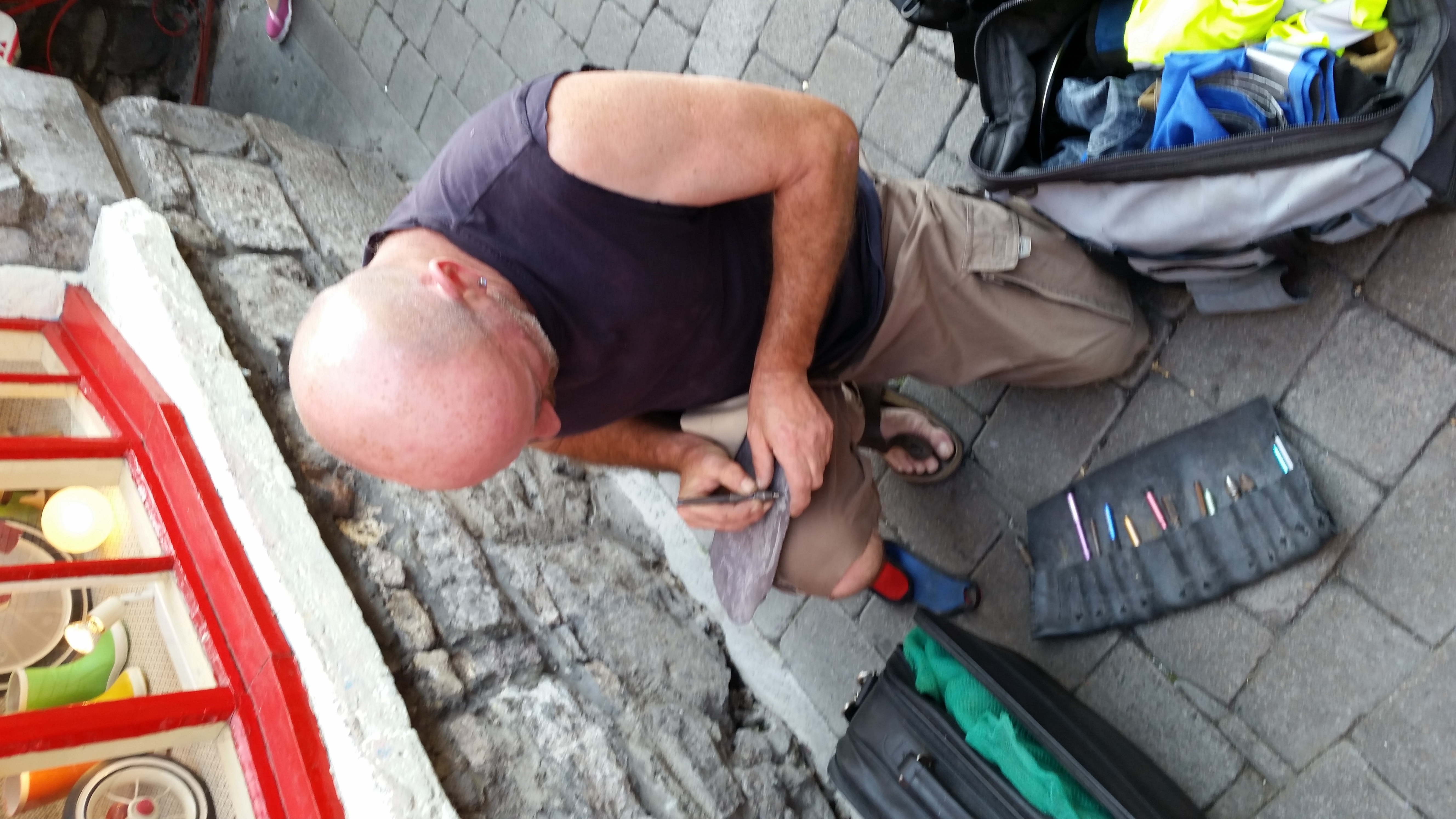
Irish artisan working at is craft

Irish artisan working at is craft. . .

... and the final piece.

… and the final piece.

A serendipitous secret I collected upstairs off the beaten path: Collin’s shoes were cast from a pair belonging to Mark’s and Kevin’s father.

As my own shoes carried me down a road less taken in Galway Eire, I happened upon a much lesser known artist – an artisan who works with rock instead of metal. A master stoneworker by trade, Michael Daif turns discarded shale shingles into engraved elegance.

For one-hundredth the price of Kevin Holland’s copper mask, I brought home a lovely image of a Gaelic harp, Ireland’s national symbol. Daif skillfully added his name and a personalized inscription on the back.

A different signature, this one in blue ink, came about when my wife and I walked past a small independent bookstore in Dublin one evening, heard laughter, turned around, went inside and followed the voices upstairs.

And so it was we met Irish author Caroline Finnerty, whose book launch party was wrapping up. After a pleasant conversation, she signed a copy of her new novel “Into the Night Sky” as a gift for our daughter.

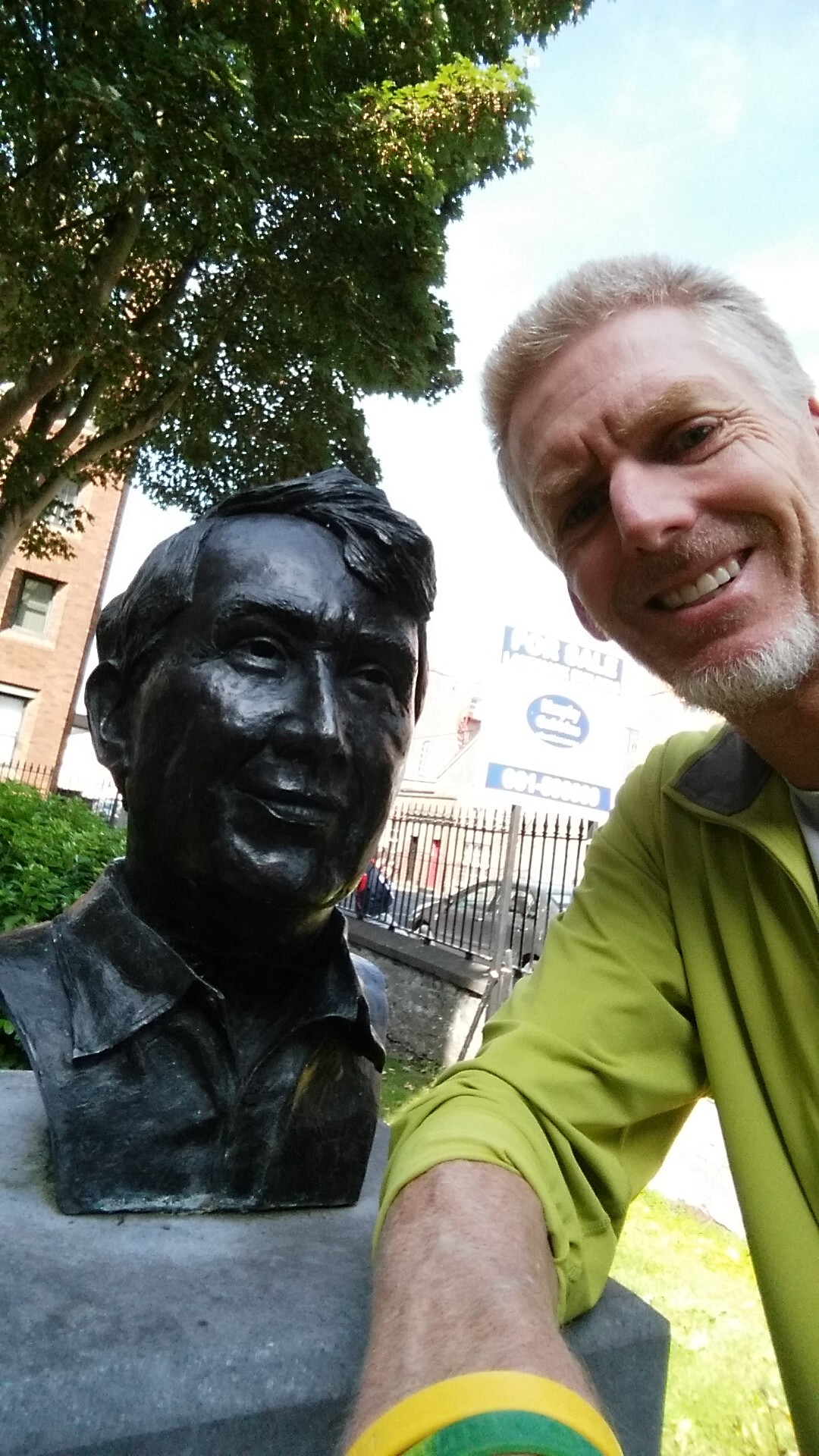
Frank McCourt & Me

Frank McCourt & Me

Under a sunny afternoon sky in Limerick, a bronze bust caught my eye through a closed wrought iron gate on narrow Hartstong Street in the Georgian Quarter.

On closer inspection, the base below the familiar face read “Frank McCourt 1930-2009” with a feather quill below.

By chance, and by taking a new walking route, we had stumbled upon the Frank McCourt Museum – formerly Leamy School, where young Frank attended and lived in the 1930’s – honoring the Pulitzer Prize-winning author of “Angela’s Ashes.”

Galway Greyhound Stadium was museum-like quiet and seemingly closed the evening we strolled past. Hoping to sneak a peak through a side gate we found it ajar.

Slipping inside rewarded us with the sight of a lone trainer working out a handful of greyhounds.

Witnessing these magnificent animals bounding 40 mph as if on winged paws around the quarter-mile oval in an empty stadium, at brilliant sunset, was art and poetry and another most memorable experience.

Thanks, Ken.

*   *   *

Woody Woodburn writes a weekly column for The Ventura County Star and can be contacted at WoodyWriter@gmail.com.

Wooden&Me_cover_PRCheck out my new memoir WOODEN & ME: Life Lessons from My Two-Decade Friendship with the Legendary Coach and Humanitarian to Help “Make Each Day Your Masterpiece”